






At the bustling Arabian Travel Mart in Dubai, the Sri Lankan delegation made a declaration that marks a fundamental shift in how the island nation measures the success of its vital tourism sector. While the country is publicly targeting an ambitious milestone of 3 million international tourist arrivals over the next 12 months, government officials are increasingly eager to steer the conversation away from sheer headcounts. Instead, Sri Lanka wants to be judged on a far more critical financial metric: how much those visitors actually spend during their stay.
The island nation is setting its sights on generating more than $5 billion in tourism earnings over the coming year. This ambitious target represents a concerted effort to position Sri Lanka not merely as a budget-friendly tropical getaway, but as a premier, high-value destination capable of attracting affluent global travelers.
Speaking exclusively to Skift at the Arabian Travel Mart, Alexi Gunasekera, the Consul General of Sri Lanka to Dubai, outlined the strategic philosophy driving this transition. He made it clear that the government is intentionally moving away from the mass-market model that has historically dominated the island’s tourism landscape.
"If we try to attract the normal spending, low-end tourists, we may achieve the numbers, but not tourism earnings," Gunasekera explained. "We are going for quality rather than quantity."
This shift in focus comes at a pivotal moment for Sri Lanka, as the country seeks to leverage its diverse natural, cultural, and wellness offerings to secure long-term economic stability. By prioritizing visitor yield over volume, tourism authorities hope to maximize the economic benefits of travel while mitigating the environmental and infrastructural strains associated with unchecked mass tourism.
Breaking Down the Mathematics of the Tourism Pivot
To understand the scale of Sri Lanka’s ambitions, one must look at the underlying financial data. According to official figures, Sri Lanka generated approximately $3.2 billion from 2.36 million visitors in 2025. This equates to an average spend of roughly $1,360 per visitor during their stay.
To reach the newly proposed target of $5 billion from a pool of 3 million visitors, the country will need to increase the average spend per traveler to approximately $1,667—a substantial 22.5% increase in per-capita expenditure.
Sri Lanka's Tourism Spend Trajectory vs. Regional Competitor

Target (Next 12 Months):
$1,667 per visitor (Targeting $5.0B total from 3.0M visitors)
▲
Baseline (2025):
$1,360 per visitor (Generated $3.2B total from 2.36M visitors)

Regional Benchmark (Maldives):
$2,480 per visitor
While a $1,667 average spend represents a significant step up for Sri Lanka, it remains highly competitive when compared to other premier destinations in the Indian Ocean. For instance, the neighboring Maldives—renowned for its ultra-luxury private island resorts—earns roughly $2,480 per visitor.
Sri Lanka does not necessarily seek to replicate the hyper-exclusive, single-resort-island model of the Maldives. Instead, its strategy relies on offering a more diverse, multi-dimensional itinerary that encourages travelers to stay longer, travel deeper, and spend across a wider variety of sectors, including luxury accommodation, wellness therapies, private guided tours, and high-end culinary experiences.
Shedding the "Budget Destination" Label
For decades, Sri Lanka was highly popular among backpackers, budget-conscious travelers, and charter-tour groups drawn by its affordable guesthouses, cheap public transit, and low cost of living. While this demographic helped put the country on the global travel map and supported thousands of small, family-run businesses, it yielded relatively low profit margins for the broader economy.
The government’s new mandate seeks to rebalance this ecosystem. By actively courting high-net-worth individuals (HNWIs) and premium experiential travelers, Sri Lanka aims to foster an environment where luxury operators can thrive. This shift is expected to incentivize investments in five-star boutique properties, eco-luxury lodges, and high-end wellness retreats.
This transition, however, requires a delicate balancing act. Tourism authorities must ensure that local, smaller-scale entrepreneurs—who form the backbone of the country’s hospitality sector—are not left behind. The goal is to elevate the overall quality of the offering, encouraging budget guesthouses to upgrade their facilities and services to command higher rates, thereby lifting the entire value chain.
Why the Middle East and the GCC Represent a Vital Frontier
The decision to announce these high-yield targets at the Arabian Travel Mart in Dubai was highly strategic. The Gulf Cooperation Council (GCC) market represents one of the highest-spending traveler demographics in the world. Travelers from countries such as the United Arab Emirates, Saudi Arabia, Qatar, and Kuwait are renowned for their preference for luxury accommodations, extended family travel, and high daily expenditures.
Sri Lanka is uniquely positioned to appeal to this market. Geographically, the island is just a four-to-five-hour flight from major aviation hubs in the Middle East, making it an attractive short-haul escape. Furthermore, the island’s diverse microclimates offer a refreshing respite from the intense summer heat of the Arabian Peninsula.
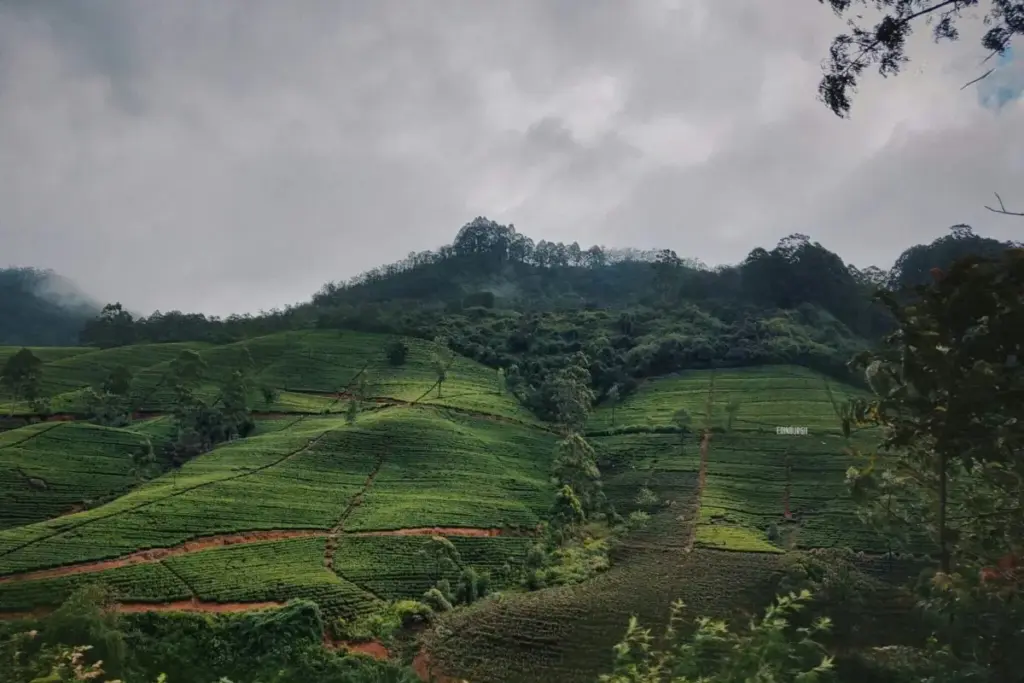
Areas such as Nuwara Eliya—often referred to as "Little England" due to its cool climate, misty tea estates, and colonial-era architecture—have long been favored by Middle Eastern travelers. By highlighting these unique upland landscapes alongside bespoke wildlife safaris in Yala National Park and private villa experiences along the southern coast, Sri Lanka hopes to capture a larger share of the outbound GCC luxury market.
To support this effort, aviation connectivity between Colombo and the Middle East remains robust, with major carriers like Emirates, Qatar Airways, and flydubai operating frequent direct flights. Enhancing this connectivity and streamlining visa processes for GCC nationals and residents are seen as critical steps in facilitating the arrival of high-spending visitors.
Tourism as the Engine of Economic Stabilization
The push for higher tourism earnings is not just a branding exercise; it is a macroeconomic necessity. Sri Lanka’s economy has faced severe challenges in recent years, characterized by foreign exchange shortages, inflation, and political restructuring.
Because tourism is one of the country’s primary sources of direct foreign currency inflows, the speed and quality of the sector’s recovery are directly linked to the nation’s broader financial health.
Every dollar spent by an international tourist on accommodation, dining, transport, and local handicrafts flows directly into the local economy, helping to rebuild foreign reserves and stabilize the national currency. However, relying solely on increasing visitor numbers to drive this recovery carries significant risks.
Overtourism can lead to the degradation of fragile ecosystems, strain public infrastructure, and cause friction with local communities. By focusing on increasing the spend per visitor rather than merely packing flights and hotels to capacity, Sri Lanka aims to build a more resilient, sustainable, and economically impactful tourism model.
Curating the High-Value Guest Experience
To justify a higher price point, Sri Lanka is diversifying its tourism portfolio beyond traditional beach holidays. The country is actively promoting several high-yield niches:
- Wellness and Ayurveda: Sri Lanka’s ancient heritage of Ayurvedic medicine and holistic wellness is being packaged into world-class retreats. High-spending wellness tourists typically book extended stays and invest heavily in personalized treatments, yoga programs, and organic dining.
- Eco-Luxury and Adventure: From luxury glamping in national parks to private, guided treks through the Sinharaja Rain Forest, the country is targeting environmentally conscious travelers who are willing to pay a premium for low-impact, exclusive nature experiences.
- Cultural and Heritage Tourism: With eight UNESCO World Heritage sites packed into a relatively small geographic area, Sri Lanka offers rich historical narratives. Private curations, exclusive access to archaeological sites, and expert-led tours are being developed to cater to culturally curious, affluent travelers.
- Bespoke Tea Tourism: The country’s world-famous Ceylon tea industry is being integrated into the luxury travel sector. Historic tea planters’ bungalows have been restored into ultra-exclusive boutique hotels where guests can experience the tea-making process firsthand in absolute comfort.
Through these targeted offerings, Sri Lanka aims to prove that value lies not in how many people cross its borders, but in the depth of the experience they receive—and the fair return they leave behind for the communities that host them.