





For nearly 28 years—from its commercial debut in January 1976 until its final retirement in October 2003—the Anglo-French supersonic passenger airliner, the Concorde, captivated the global imagination. Transporting up to 100 passengers at Mach 2 across the Atlantic Ocean, the aircraft shrank the vast expanse between Europe and North America to a mere 3 hours and 30 minutes. It remains etched in aviation history as an unmatched symbol of technological triumph, luxury, exclusivity, and the sheer thrill of soaring at 60,000 feet (18,288 meters) on the ragged edge of space.
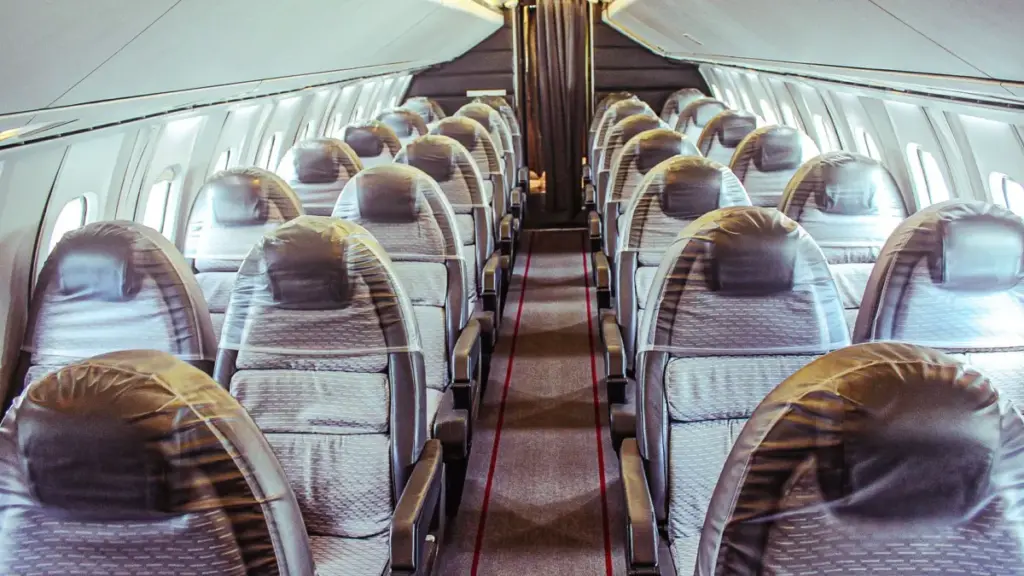
Yet, looking back through the lens of modern commercial aviation reveals a striking paradox. By the standards of passenger comfort, space, and amenities, the Concorde cabin was an exercise in contradiction. While travelers paid first-class-plus-20% ticket prices, they received a physical seating footprint narrower, more upright, and far more restrictive than the subsonic widebody cabins of the era. The windows were postage-stamp-sized, overhead storage was severely limited, and the aisle headroom challenged anyone standing taller than six feet.
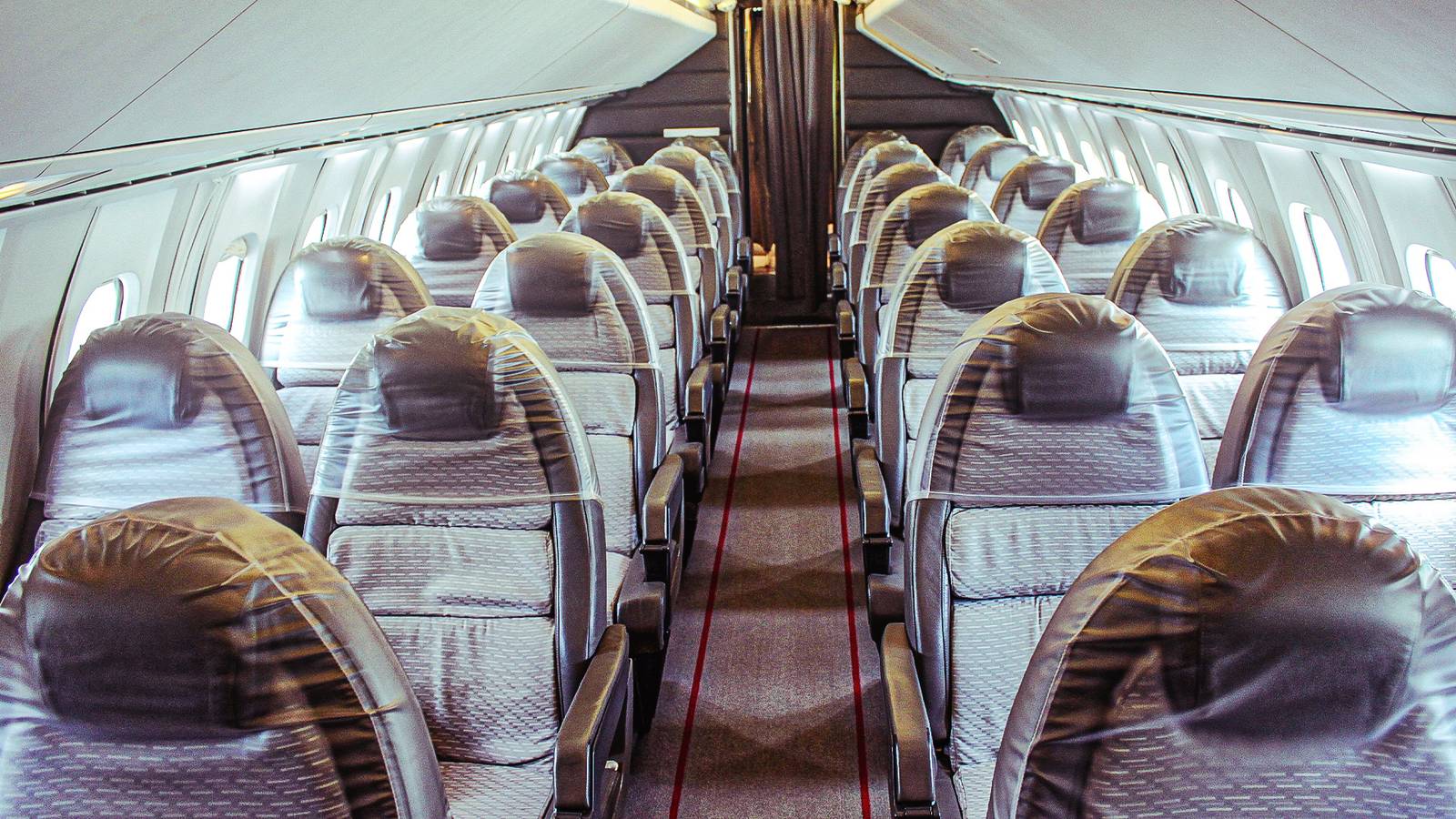
This deep dive explores the reality of the Concorde travel experience. We examine why passengers routinely overlooked its spatial limitations, how the unique physics of supersonic flight shaped the cabin environment, how elite ground services complemented the flight, and how the unmatched utility of time ultimately eclipsed any desire for physical luxury.
Detailed Chronology: The Rise, Reign, and Retirement of Supersonic Travel
To fully understand the cabin experience, one must place the aircraft within its historical context. The journey of supersonic passenger transport (SST) was born out of postwar optimism, political ambition, and unprecedented engineering collaboration.
- November 1962: Great Britain and France sign a formal treaty to jointly develop a supersonic civil transport aircraft, defying the prevailing economic wisdom of the era.
- March 2, 1969: The French prototype, Concorde 001, takes its maiden flight from Toulouse, piloted by André Turcat. Weeks later, the British prototype, 002, takes to the skies from RAF Fairford.
- January 21, 1976: Simultaneous commercial services launch. British Airways flies London Heathrow to Bahrain, while Air France launches Paris Charles de Gaulle to Rio de Janeiro (via Dakar).
- May 24, 1976: Transatlantic routes to Washington Dulles open, paving the way for the coveted London/Paris-to-New-York JFK corridors that would define the aircraft’s legacy.
- July 25, 2000: Air France Flight 4590 suffers a catastrophic crash upon takeoff from Paris, dealing a severe blow to the aircraft’s safety reputation and public confidence.
- November 2001: Following post-crash safety modifications and the profound economic shocks of the September 11 attacks, Concorde returns to commercial service.
- April 10, 2003: British Airways and Air France jointly announce the retirement of the Concorde fleet, citing rising maintenance costs, dwindling spare parts support, and depressed post-9/11 premium travel demand.
- October 24, 2003: Concorde operates its final commercial passenger flight, landing at London Heathrow and cementing its status as an enduring aviation legend.
Supporting Context & Metrics: Inside the Mach 2 Tube
Measuring the Concorde cabin against modern standards reveals just how radically different the priorities of supersonic travel were compared to today’s ultra-long-haul luxury offerings.

The Seat and Spatial Dimensions
The interior of the Concorde was dictated entirely by aerodynamics. To minimize atmospheric drag at twice the speed of sound, the fuselage had to remain exceptionally slender.
- Cabin Width: 9 feet, 6 inches (2.9 meters)—roughly two-thirds the width of a standard Boeing 737 narrowbody.
- Seating Configuration: A tight 2-2 layout featuring a single, narrow central aisle and zero middle seats.
- Seat Pitch: 34 inches (86 cm) in the standard 100-seat layout, offering roughly 6 to 7 inches more legroom than an average international economy seat of the era, but far short of contemporary business-class standards.
- Headroom: Center aisle headroom topped out at barely 6 feet (1.8 meters), requiring taller passengers to consciously watch their posture.
+--------------------------------------------------------------------------+
|                       CONCORDE CABIN SPECIFICATIONS                      |
+-----------------------------------+--------------------------------------+
| Metric                            | Specification                        |
+-----------------------------------+--------------------------------------+
| Fuselage Width                    | 9 ft 6 in (2.9 m)                    |
| Seating Layout                    | 2-2 (Single Aisle, 100 Seats Total)  |
| Standard Seat Pitch               | 34 inches (86 cm)                    |
| Window Dimensions                 | ~6 inches square (15 cm)             |
| Cruising Altitude                 | 60,000 feet (18,288 m)               |
| Maximum Speed                     | Mach 2.04 (~1,350 mph / 2,179 km/h)  |
+-----------------------------------+--------------------------------------+
The Windows, Thermal Dynamics, and the Edge of Space
The cabin windows were among the most distinct features of the experience, measuring a modest 6 inches (15 cm) square. This reduction was a vital structural necessity. Cruising at 60,000 feet meant the pressure differential between the pressurized cabin and the near-vacuum outside was extreme. Smaller window panes minimized structural fatigue on the fuselage.
Through those tiny windows, however, passengers witnessed a view available to virtually no other commercial travelers:

- The Stratospheric Sky: Flying above 90% of Earth’s atmosphere, the sky lost its familiar azure hue, turning a deep, dark indigo approaching the blackness of space.
- The Earth’s Curvature: At twice the altitude of subsonic airliners, the distinct curvature of the planet was visible to the naked eye.
- Aerodynamic Heating: At Mach 2, air friction heated the nose cone and exterior skin to approximately 250°F (120°C). The cabin windows were noticeably warm to the touch during supersonic flight, and a subtle temperature gradient ran down the length of the aircraft, with forward cabins running warmer than the rear.
Official Statements and Industry Perspective
The operational philosophy of Concorde was succinctly captured by airline executives and aviation historians who managed the golden era of supersonic transport.
"People did not fly Concorde for the width of the seat or the reclining angle. They flew it because it was the ultimate expression of human engineering, and because it delivered the most precious commodity known to the business world: time."
— Aviation Historian and Former Fleet Consultant
Carriers like British Airways and Air France marketed the aircraft not as a flying hotel, but as a time-machine. In historical promotional materials, British Airways emphasized the seamless synergy between ground and air:

"The experience begins long before you step onboard. The dedicated Concorde lounge is a sanctuary of high design, leading directly to the aircraft door, bypassing the terminal entirely. Once airborne, the world accelerates beneath you, and you arrive at your destination before you’ve even had time to adjust your watch."
The Service Model: Compensating for Space with Luxury
Because the physical seat could not compete with the spacious first-class cabins of subsonic Boeing 747s, airlines utilized elite hospitality, gourmet dining, and exclusive ground infrastructure to justify the eye-watering ticket prices.
The Culinary and Beverage Program
On a flight lasting just three and a half hours, cabin crews executed a logistical masterclass in fine dining:

- Canapés and Vintage Champagne: Service kicked off immediately after takeoff with top-tier vintage champagnes selected exclusively for the Concorde cellars.
- Five-Course Gourmet Menus: Developed by master chefs using Royal Doulton bone china and heavy silver cutlery, the menus rotated weekly to cater to frequent business flyers.
- Pacing the Service: Crews had to serve multi-course gourmet meals, clear tables, and complete duty-free sales before the rapid descent into JFK or Heathrow, turning service delivery into a precise science.
The Ground Experience
The journey started on the ground with dedicated airport sanctuaries:
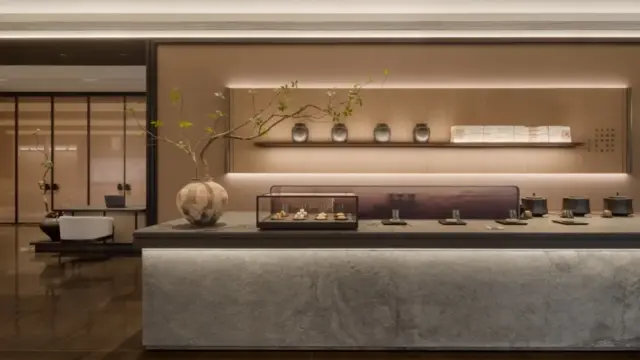
- Design Masterpieces: At London Heathrow and New York JFK, lounges were designed by renowned architects like Sir Terence Conran, featuring mid-century designer furniture (Eames, Le Corbusier), travertine marble, and museum-grade art installations.
- Direct Boarding: Passengers enjoyed private check-in lanes, security bypasses, and direct boarding bridges that led straight from the lounge to the aircraft door without mixing with general terminal traffic.
Future Outlook: The Legacy of Supersonic Travel and Modern Successors
More than two decades after the retirement of the Concorde fleet in 2003, the commercial aviation industry is experiencing a renewed push to break the sound barrier once again.
The Next Generation of Supersonic Travel
Companies like Boom Supersonic, NASA (with the experimental X-59 Quiet SuperSonic Technology project), and various aerospace startups are working to resolve the historical shortcomings that doomed the original SST era:

- Acoustic Boom Mitigation: New aerodynamic shapes aim to reduce the disruptive sonic boom to a gentle "sonic thump," potentially unlocking over-land supersonic routing.
- Fuel Efficiency and Sustainability: Modern composite materials and advanced turbofan engines aim to make supersonic flight financially and environmentally sustainable—a feat the 1970s-era Olympus engines could never achieve.
- Modern Cabin Comfort: Unlike the cramped, narrow tube of the original Concorde, modern aerospace design concepts integrate spacious seating layouts, advanced connectivity (such as high-speed satellite internet), and panoramic digital windows, proving that future supersonic travelers will no longer have to sacrifice physical comfort for speed.
Conclusion: A Singular Chapter in Aviation
The Concorde remains a towering monument to human ambition. While its cabin was tight, its windows were small, and its seats lacked the recline of modern business suites, its passengers rarely complained. They were trading physical square footage for the ultimate luxury: the ability to defy time itself, crossing an ocean in the blink of an eye while gazing out at the curvature of the Earth from the edge of space.