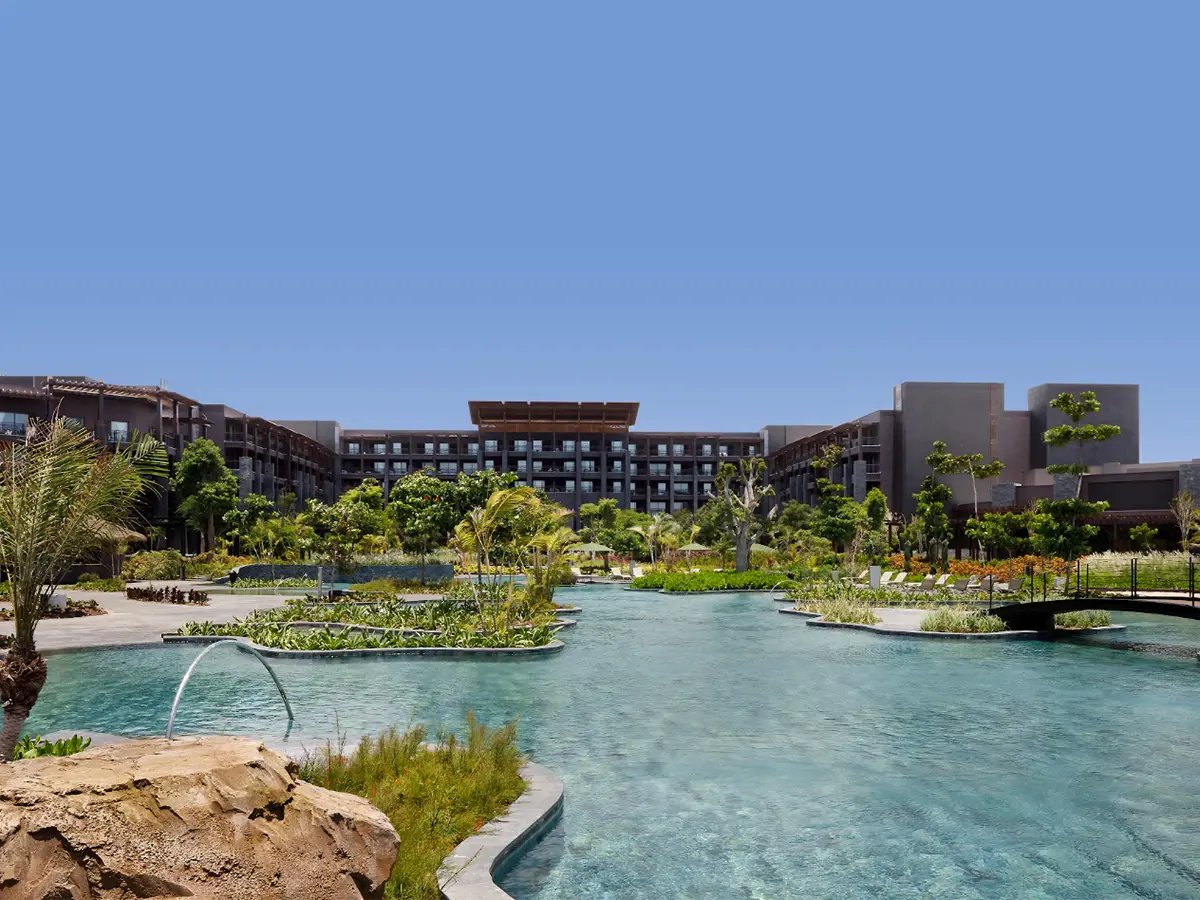







When travelers conjure images of Paradise Island in The Bahamas, their minds are typically drawn to a predictable visual checklist: the iconic pink towers of Atlantis, the sprawling high-energy rush of Aquaventure waterpark, the high-stakes murmur of the casino, and the hushed, manicured elegance of The Ocean Club, A Four Seasons Resort. These world-class properties dominate international tourism marketing, framing the island as a high-octane playground of mega-resorts and celebrity-chef dining.
Yet, hidden in plain sight directly alongside this heavyweight resort real estate lies a nearly two-mile stretch of coastline that frequently slips beneath the radar of mainstream travel itineraries: Cabbage Beach.
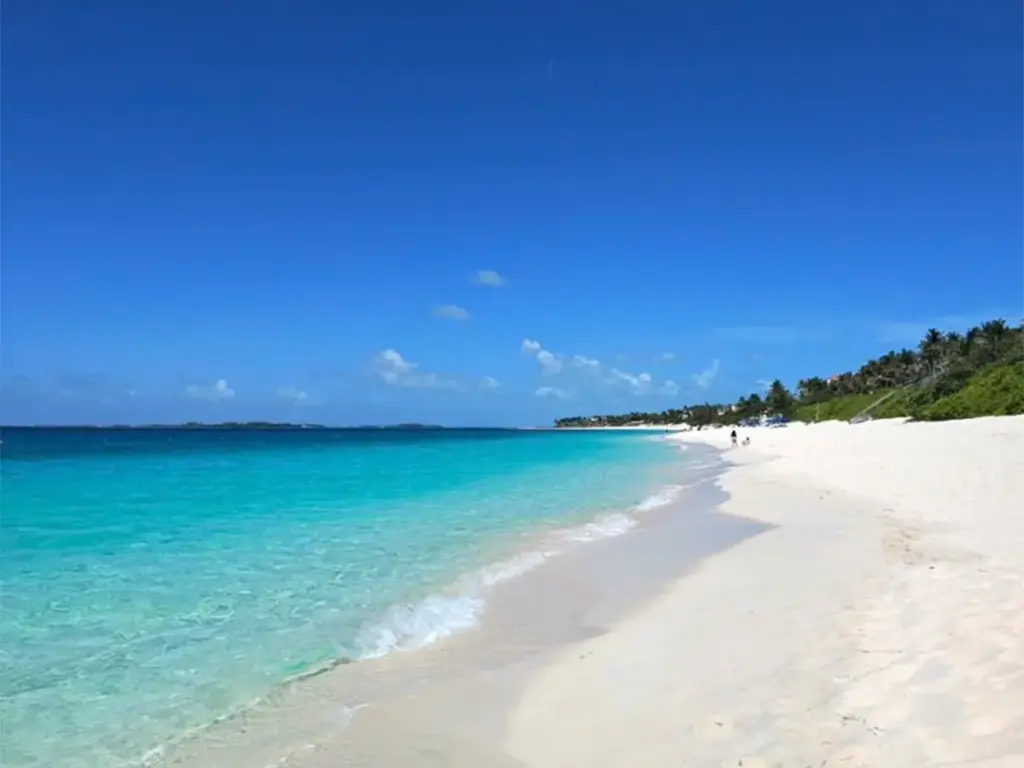
Despite offering soft white sands, striking turquoise-to-aquamarine shallows, and an expansive shoreline that easily absorbs crowds, Cabbage Beach often gets treated as an afterthought—an incidental backdrop to the architectural marvels and aquatic habitats that define Paradise Island. This journalistic feature investigates how one of the finest marine environments in the Western Hemisphere manages to remain overlooked, explores the diverse hospitality ecosystems that border it, and analyzes its vital accessibility to mainland Nassau. Ultimately, this review examines why Cabbage Beach deserves a re-evaluation as a world-class destination in its own right.
Detailed Chronology and Evolution of Paradise Island’s Coastline
To understand the current paradox of Cabbage Beach—its simultaneous proximity to global tourism hubs and its relative anonymity in broader beach rankings—one must trace the evolution of Paradise Island itself, formerly known as Hog Island.
From Agriculture to Elite Playground
For centuries prior to its mid-20th-century development boom, Hog Island served primarily as a pastoral and agricultural buffer across the harbor from Nassau. It wasn’t until visionary developers, most notably Huntington Hartford II (heir to the A&P supermarket fortune), acquired the western and central portions of the island in the late 1950s that the territory was rebranded as "Paradise Island." Hartford envisioned an exclusive luxury retreat, dredging channels, planting imported flora, and establishing the foundational infrastructure that would later attract jet-set elites.
The Mega-Resort Era
The subsequent decades transformed the island’s landscape permanently. The arrival of massive resort complexes shifted the economic and architectural gravity of Paradise Island inward. The development of properties like the Paradise Island Resort & Casino—which eventually evolved into the sprawling empire of Atlantis Paradise Island—turned the destination into a vertical city of entertainment.
As Atlantis expanded its footprint over the decades to encompass 141 acres of water parks, marine habitats, and high-end culinary outposts like Nobu, Fish by José Andrés, and Paranza by Michael White, the marketing narrative naturally pivoted toward man-made marvels. Similarly, the evolution of The Ocean Club preserved a standard of ultra-luxury with its Versailles-inspired gardens, Augustinian cloisters, and DUNE by Jean-Georges, anchoring the eastern luxury sector.
The Resilience of Cabbage Beach
Through all these phases of high-density development, Cabbage Beach remained remarkably unpretentious. While the land immediately backing the shoreline saw the rise of boutique villa properties like The Paradise Island Beach Club and the expansion of resort access points, the sand itself retained its wild, expansive character. Because the coastline stretches for nearly two miles, it resisted complete corporate privatization, maintaining public access corridors while serving as a natural buffer against the roaring Atlantic. Today, the chronology of Cabbage Beach stands as a testament to natural geography resisting over-commercialization, offering travelers a raw, unadulterated slice of Bahamian coastline right in the backyard of the Caribbean’s most heavily engineered resorts.
Supporting Context & Metrics
To truly comprehend the scale and dynamics of Cabbage Beach, one must examine the quantitative and qualitative metrics that set it apart from typical resort shores.
Geographic and Physical Metrics
- Total Length: Approximately 2 miles (3.2 kilometers) of uninterrupted shoreline running along the northern perimeter of Paradise Island.
- Orientation: North-northeast facing, putting it directly exposed to the open waters of the Atlantic Ocean.
- Composition: Fine, powdery white sand characterized by a firmer walking surface near the surf line and deeper, softer dunes further inland.
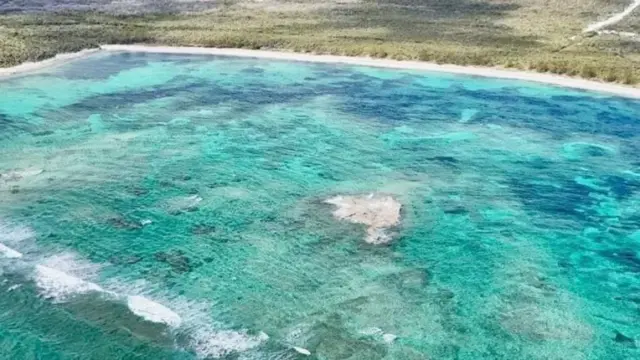
- Color Gradient: Distinct visual zones transitioning from crystal-clear transparency at the shoreline to brilliant turquoise and aquamarine in the shallows, deepening into a rich, dark Atlantic blue offshore.
Hospitality Ecosystems Bordering the Beach
Travelers visiting Cabbage Beach can choose from three distinct accommodation models, each catering to a different travel philosophy:
| Resort Property | Accommodations & Scale | Key Amenities | Ideal Traveler Profile |
|---|---|---|---|
| Atlantis Paradise Island | Multiple lodging towers (The Royal, The Coral, The Cove, The Reef, Harborside) | Aquaventure (141 acres, 14 pools, waterslides), marine habitats, over 40 dining venues (Nobu, Paranza, Fish) | Families, adventure seekers, and those desiring an all-inclusive entertainment complex. |
| The Ocean Club, A Four Seasons Resort | 107 rooms, suites, and villa residences across 35 acres | Versailles-inspired gardens, Augustinian cloisters, 3 pools, tennis, Ocean Club Golf Course, DUNE by Jean-Georges | Luxury purists, couples seeking tranquility, and golf enthusiasts. |
| Paradise Island Beach Club | 44 two-bedroom villas with kitchens and private balconies | 2 heated outdoor pools (main pool with swim-up bar), direct beach service, Reef Restaurant Bar & Grill | Multi-generational families, groups seeking self-catering autonomy, and beach-first travelers. |
Official Statements and Industry Perspectives
Industry veterans and seasoned travel experts often express astonishment at how Cabbage Beach manages to elude the top-tier name recognition enjoyed by rival Caribbean strands.
According to regional tourism analysts and veteran Caribbean travel evaluators:
"Beach rankings are inherently subjective, but Cabbage Beach belongs near the very top of any global list. Having surveyed coastlines across the entire Caribbean basin, the combination of a nearly two-mile uninterrupted white-sand run, dramatic color gradients, and versatile crowd dispersion is exceedingly rare—especially when situated immediately adjacent to a major global tourism hub."
Furthermore, hospitality executives note that the psychological barrier of the mega-resort often misleads visitors. Management representatives from boutique properties on the island emphasize that travelers frequently book multi-night stays at sprawling complexes under the assumption that they are confined to manicured, high-density pool decks.
"Guests check into Atlantis or neighboring properties expecting a completely engineered environment," notes one local hospitality director. "They don’t realize that within a five-minute walk, they can step onto a two-mile stretch of Atlantic-facing coastline where the hustle and roar of the waterpark completely vanish, replaced by the sound of crashing surf and open horizons."
Future Outlook: Preserving Paradise While Embracing Growth
As tourism numbers to The Bahamas continue to rebound and break historical records, the future outlook for Paradise Island and Cabbage Beach hinges on balanced stewardship.
Infrastructure and Accessibility
The physical connection between Nassau and Paradise Island—facilitated by two high-capacity bridges over the harbor—ensures that Cabbage Beach remains effortlessly accessible not only to overnight resort guests but also to day-trippers and cruise passengers visiting New Providence. Visitors frequently combine a morning exploring historical Nassau landmarks such as the Queen’s Staircase, Fort Fincastle, or the National Art Gallery of The Bahamas, followed by an afternoon sampling local conch salad at Arawak Cay, before crossing the bridge to experience the pristine sands of Cabbage Beach. This seamless integration of cultural heritage and world-class nature secures the island’s competitive edge in the regional tourism market.
Environmental Challenges and Conservation
Because Cabbage Beach faces the open Atlantic, it is uniquely subject to seasonal weather fluctuations, heavy surf, and coastal erosion pressures. Future municipal and resort-level planning will require rigorous environmental management to protect the dune systems and maintain the natural integrity of the shoreline. Ensuring that public access points remain well-maintained and protected from over-commercialization will be paramount as demand grows.
The Verdict on Cabbage Beach
Ultimately, Cabbage Beach defies the conventional trade-offs of modern travel. Usually, a traveler must choose between the convenience of a major resort destination and the pristine isolation of a remote cay. Cabbage Beach collapses that dichotomy. It delivers the world-class culinary, recreational, and residential infrastructure of Paradise Island on one side, and two miles of uncrowded, sublime Atlantic coastline on the other.
The secret is technically out, yet somehow, it remains hidden in plain sight—waiting for the discerning traveler willing to walk just past the umbrellas and discover what true Paradise looks like.