








For decades, the global tourism industry has operated on an extractive model that prioritizes rapid economic growth and high visitor volumes over the long-term health of destination ecosystems. In response to mounting ecological crises, overtourism, and climate change, a paradigm shift has emerged: ecotourism. However, as traveler demand for "nature-based" experiences surges, a dangerous marketing phenomenon has developed in parallel. Countless operators appropriate the terminology of sustainability—labeling themselves "eco," "green," or "nature-friendly"—while continuing to inflict severe damage on fragile habitats, disrupt wildlife, and exploit indigenous communities.
True ecotourism is far more than simply enjoying the outdoors. As defined by leading conservation and sustainable travel frameworks, a genuine ecotourism experience must satisfy five rigorous criteria: it must actively contribute to habitat conservation, provide direct financial benefits and empowerment to local communities, minimize its immediate and cumulative environmental footprint, deeply respect and accurately represent local cultures, and foster an enduring appreciation for the natural world among travelers.
This investigative briefing explores the core operational pillars of authentic ecotourism—ranging from wildlife viewing and recreational hiking to marine tourism, cultural preservation, and citizen science. By examining real-world case studies across diverse global landscapes, this article exposes the structural vulnerabilities of the modern sustainable travel market, debunks systemic greenwashing, and establishes a definitive baseline for responsible, impact-driven travel.
Detailed Chronology: The Evolution of Ecotourism and Accountability
To understand the current state of ecotourism, one must examine its historical trajectory from a niche conservation concept into a multi-billion-dollar global industry, and the subsequent regulatory race to establish accountability.
- The Late 20th Century (The Genesis of Sustainable Tourism): As industrial mass tourism expanded rapidly into developing nations and remote wilderness areas, conservationists and rural communities began documenting severe environmental degradation, habitat fragmentation, and cultural commodification. The concept of "ecotourism" was coined to provide an alternative: a form of travel that could self-fund conservation initiatives while elevating the economic status of local populations.
- The Turn of the Millennium (The Rise of Community-Based Models): Recognizing that top-down conservation models often alienated indigenous populations, organizations and governments began pioneering community-based natural resource management (CBNRM). Projects such as Nepal’s Annapurna Conservation Area Project (ACAP) proved that local populations could successfully manage high-volume tourism, balancing visitor infrastructure with rigorous ecological safeguards.
- The 2010s (The Greenwashing Epidemic): Driven by rising consumer demand for ethical travel, the tourism market experienced a flood of unregulated self-declarations. Operators recognized that adding "eco" to their marketing materials increased bookings without requiring operational transformations. This necessitated the creation of independent verification bodies, strict international codes of conduct (such as Green Fins for marine operators), and third-party certifications to protect consumers from deceptive branding.
- The Post-Pandemic Era (Rebuilding for Resilience): The post-pandemic travel rebound intensified instances of overtourism, overwhelming fragile habitats worldwide. In response, conservationists, scientists, and industry leaders pivoted toward high-value, low-impact tourism models. Emphasis shifted sharply toward data-backed interventions, strict carrying-capacity limits, and direct community-led stewardship, cementing citizen science and transparent financial auditing as non-negotiable components of modern ecotourism.
Supporting Context & Metrics: Deconstructing the Five Pillars of Ecotourism
Not every outdoor activity—whether it is a rainforest trek, a scuba dive, or an open-air safari—qualifies as ecotourism. True ecotourism operates as an interconnected web of ecological integrity, socio-economic justice, and educational enrichment. Below is a breakdown of the primary operational sectors, detailing what responsible practice looks like in the field.
1. Wildlife Viewing: Prioritizing Animal Welfare and Habitat Protection
Responsible wildlife viewing offers travelers the privilege of observing animals behaving naturally within thriving, undisturbed ecosystems. Whether tracking primates through dense tropical canopies, watching elephants traverse open savannahs, or observing marine mammals from a respectful distance, the interaction must be strictly non-intrusive.
- Core Standards: Ethical wildlife viewing demands the total elimination of restrictive enclosures, staged animal encounters, and exploitative tourist interactions. Group sizes must remain strictly controlled, viewing distances must be enforced, and behaviors that induce stress—such as feeding, touching, or altering an animal’s natural movement patterns—are strictly prohibited.
- The Role of Local Guides: Highly trained local guides are the first line of defense for both wildlife and visitors. Their deep, generational understanding of animal behavior allows them to identify early warning signs of stress or aggression. Furthermore, their familiarity with tracks, calls, and seasonal movement patterns ensures high-value educational encounters without compromising animal safety.
2. Hiking and Recreation: Practicing Leave No Trace Ethics
Recreational ecotourism—including rainforest trekking, alpine snowshoeing, coastal cycling, and navigating raised boardwalks through sensitive wetlands—encourages a slower, more mindful pace of travel.
- Core Standards: All recreational activities must strictly adhere to the Leave No Trace principles. Visitors must remain on designated trails to prevent soil erosion and protect fragile understory vegetation. All waste must be packed out, and travelers must demonstrate respect for rural communities by parking legally and honoring private property boundaries.
- Economic Distribution: By traveling on foot or by bicycle, visitors naturally venture into rural communities that are routinely bypassed by traditional mass tourism itineraries, directly injecting financial capital into local family-run lodges and teahouses.
3. Marine and Coastal Tourism: Safeguarding Fragile Aquatic Ecosystems
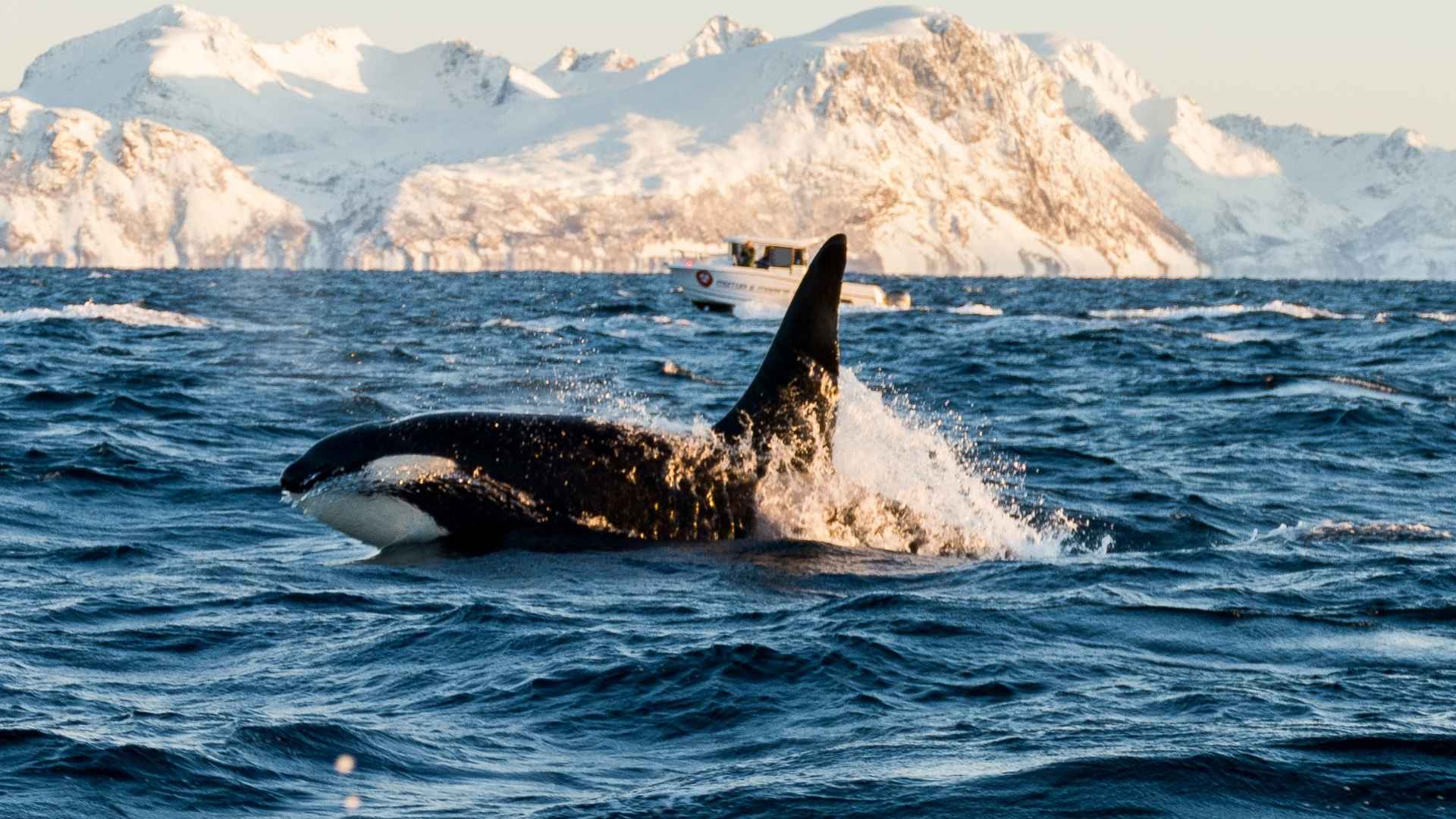
Marine ecotourism encompasses snorkeling, scuba diving, kayaking, paddleboarding, and small-group boat excursions that bring travelers into direct contact with coral reefs, kelp forests, and pelagic species.

- Core Standards: Responsible operators enforce rigorous no-touch and no-feeding policies. Divers and snorkelers must secure their equipment to prevent accidental contact with delicate coral structures. Furthermore, the use of toxic, oxybenzone-containing sunscreens must be banned in favor of mineral, reef-safe alternatives. Boat captains must reduce speeds, disengage engines when wildlife is present, and utilize mooring buoys rather than dropping anchors onto sensitive seagrass beds or reefs.
4. Cultural Ecotourism: Authentic Heritage and Self-Determination
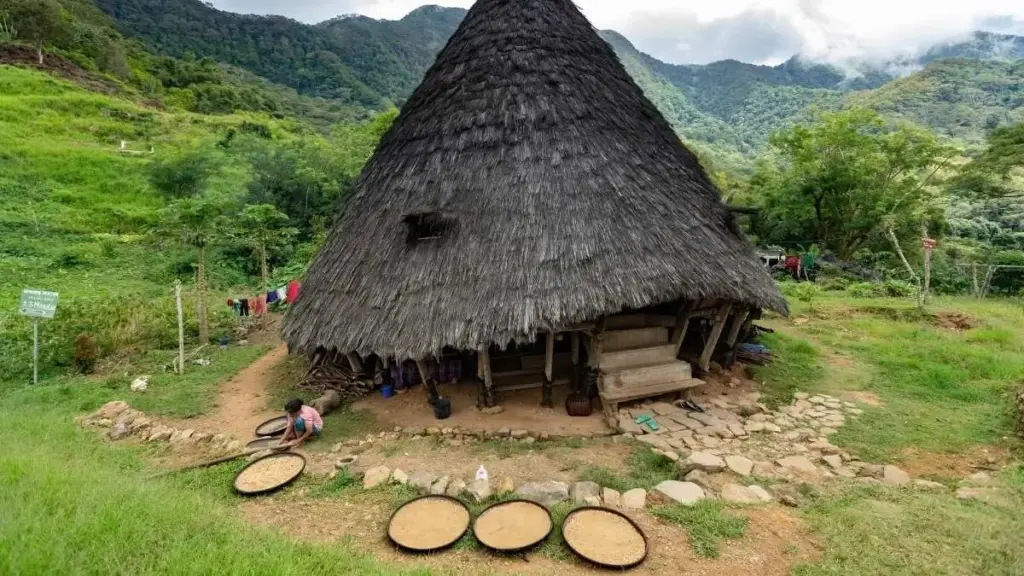
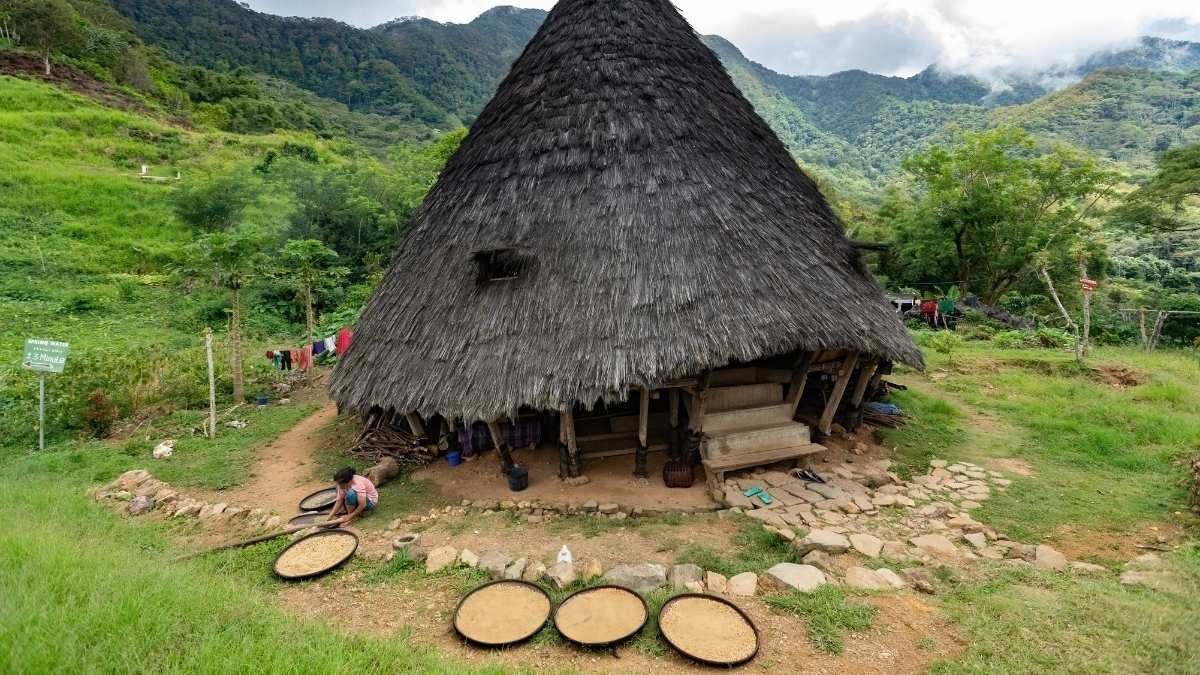
Cultural ecotourism provides insight into the interwoven relationships between local traditions, indigenous land management, and surrounding ecosystems.
- Core Standards: These experiences must be entirely community-led, operating with explicit, informed consent within culturally significant spaces. Tourism revenue must flow directly to local families or cooperative structures, ensuring that heritage is shared strictly on the community’s own terms, free from misrepresentation or commercial exploitation.
5. Citizen Science and Voluntourism: Data-Driven Conservation
Citizen science engages travelers in hands-on conservation work, such as wildlife monitoring, water quality testing, coral restoration, and habitat rehabilitation.
- Core Standards: Credible programs are grounded in scientific methodology, supervised by qualified researchers, and integrated into long-term conservation strategies. They must never displace local labor or assign complex technical duties to untrained participants without professional oversight.
Official Case Studies: Global Benchmarks of Excellence
To understand how these principles manifest in practice, we examine four world-class conservation initiatives that successfully balance tourism revenue with rigorous ecological protection.
Loisaba Conservancy (Northern Kenya)
Spanning 56,000 acres of pristine wilderness in northern Kenya, the Loisaba Conservancy protects critical savannah ecosystems shared by lions, endangered African wild dogs, and reticulated giraffes. Serving as a vital elephant movement corridor, the conservancy also hosts a dedicated sanctuary supporting the reintroduction of black rhinos.
- Operational Safeguards: Loisaba enforces strict viewing protocols, including a maximum limit of three vehicles per sighting, a mandatory 20-meter minimum distance from wildlife, strict adherence to designated tracks, and low noise levels.
- Financial Impact: Ecotourism directly funds 50% of the conservancy’s total operating budget, underwriting anti-poaching patrols, habitat restoration projects, and community development initiatives such as local healthcare outreach, educational sponsorships, and sustainable grazing frameworks.
+-----------------------------------------------------------------+
|               LOISABA CONSERVANCY IMPACT METRICS                |
+---------------------------+-------------------------------------+
| Protected Land Area       | 56,000 Acres (23,000 Hectares)      |
+---------------------------+-------------------------------------+
| Ecotourism Budget Share   | 50% of Total Operating Budget       |
+---------------------------+-------------------------------------+
| Vehicle Limit per Sighting| Maximum of 3 Vehicles               |
+---------------------------+-------------------------------------+
| Minimum Viewing Distance  | 20 Meters                           |
+---------------------------+-------------------------------------+
Annapurna Conservation Area Project (Nepal)
Set against the soaring backdrop of the central Himalayas, the Annapurna Conservation Area Project (ACAP) is Nepal’s largest protected conservation zone. Historically, intense trekking traffic threatened local forest resources and generated unmanageable waste volumes. In response, ACAP was founded as a pioneering community-based management model.
- Community Integration: Thousands of family-run teahouses and lodges accommodate visitors, supported by ACAP-led training programs in hospitality, sanitation, and sustainable cooking.
- Conservation Funding: Trekking permit fees directly finance endangered snow leopard anti-poaching initiatives, sustainable forestry management, and eco-friendly infrastructure development, including designated trails, waste management systems, and solar drinking water stations.
Dive Ninja Expeditions (Baja Peninsula, Mexico)
Operating in the rich marine environments off Mexico’s Baja Peninsula, Dive Ninja Expeditions offers small-group scuba diving and snorkeling tours designed to merge high-adventure travel with active marine conservation.
- Sustainability Standards: As an independently verified PADI Eco Center, Dive Ninja adheres strictly to Green Fins environmental codes of conduct, enforcing absolute no-touch policies, eliminating single-use plastics, and redirecting 20% to 50% of profits from citizen-science expeditions directly into marine research and anti-plastic campaigns.
Earthwatch Institute (Global Field Research)
Connecting everyday travelers with elite scientists across more than 30 countries, Earthwatch facilitates multi-year environmental research projects.
- Scientific Rigor & Local Employment: Earthwatch initiatives—ranging from leatherback turtle conservation in Costa Rica to endangered penguin monitoring in South Africa—ensure that 96% of projects directly employ, train, and compensate local community members, transforming tourism into a powerful vehicle for empirical data collection and long-term habitat defense.
What’s Not Ecotourism: Spotting and Avoiding Greenwashing
As consumer consciousness grows, the tourism market has become saturated with greenwashing—the deceptive marketing practice of branding conventional, high-impact travel products as "eco-friendly." Recognizing the warning signs of false ecotourism is essential for travelers committed to genuine sustainability.

Key Red Flags of Greenwashing in Tourism:
- Vague Environmental Buzzwords: The use of unverified terms such as "green," "eco-friendly," "sustainable," or "nature-inspired" without transparent documentation, independent third-party certifications, or public reporting.
- Unethical Wildlife Interaction: Operators offering close-up animal encounters, such as captive riding, swimming with chained mammals, animal feeding sessions, or holding wild babies. These activities inherently cause severe psychological and physical stress.
- Exclusion of Local Communities: Tourism operations that monopolize natural resources, generate revenue that leaks entirely to foreign-owned conglomerates, and offer no meaningful employment, governance, or financial return to indigenous populations.
- Green Fee Gimmicks: Tokenistic "carbon offset" checkboxes or small conservation fees tacked onto bookings by otherwise environmentally destructive resorts, used primarily to deflect scrutiny rather than fund systemic operational overhauls.
- Unmanaged Visitor Volumes: Tour operators that flout carrying-capacity limits, allowing unconstrained foot or vehicle traffic into ecologically sensitive breeding grounds, coral reefs, or alpine trails.
Future Outlook: The Road Ahead for Sustainable Travel
The future of ecotourism hinges on a collective transition from passive observation to active, regenerative stewardship. As climate change accelerates and biodiversity loss threatens global ecosystems, the travel industry can no longer afford to treat conservation as an optional corporate social responsibility initiative.
Moving forward, governments, regulatory bodies, and industry networks must enforce mandatory sustainability disclosures, cracking down heavily on deceptive greenwashing. Simultaneously, travelers must exercise radical due diligence—scrutinizing tour operators, prioritizing community-led initiatives, and supporting destinations that treat ecological and cultural preservation as non-negotiable operating principles.
By demanding radical transparency and financial accountability, travelers can ensure that tourism evolves into a powerful, restorative force—protecting the world’s most fragile wild places and empowering the communities who serve as their ultimate guardians.