



In an era where the relationship between global hotel brands and property owners is increasingly strained by rising operational costs, capital expenditure demands, and brand-mandated fees, hospitality executives are searching for ways to bridge the gap.
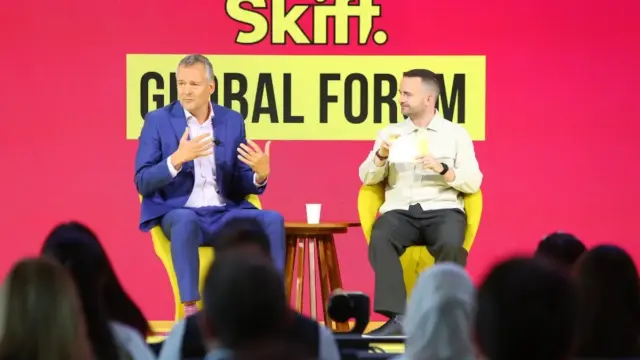
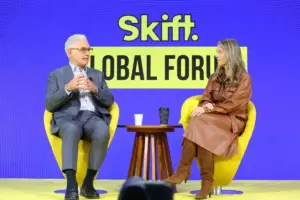
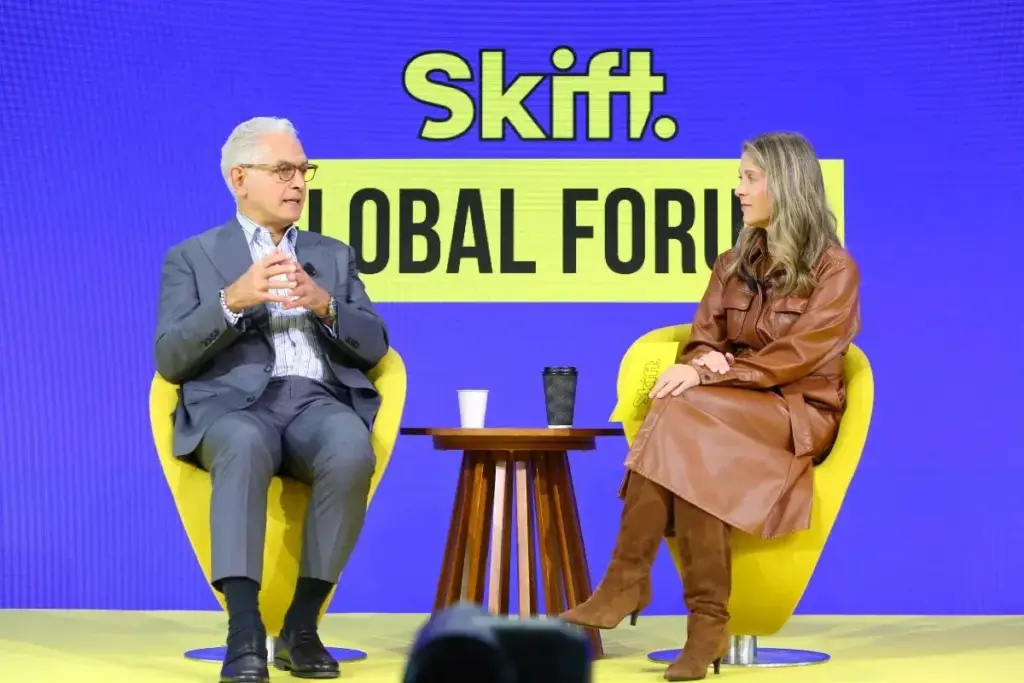
Speaking at the Skift Global Forum in New York City on September 24, 2026, Hyatt Chairman, President, and CEO Mark Hoplamazian addressed this industry-wide friction. For Hoplamazian, the solution to navigating these complex relationships does not lie in contractual adjustments or minor fee concessions. Instead, he argues, it requires a fundamental shift in corporate philosophy.
“The mindset of being an owner leads you to put yourself in the shoes of an owner, and really understand you have to eat your own cooking every day,” Hoplamazian told the audience.
This philosophy of "eating your own cooking" is not merely a convenient corporate catchphrase for Hyatt. It is a guiding operational principle forged over nearly seven decades of direct real estate ownership—a history that Hoplamazian credits with saving the company, and its partners, during the most severe downturn in hospitality history.
Navigating the Friction: Why Hotel Owners Are Demanding More from Brands
To understand why Hoplamazian’s comments resonate so strongly in today’s market, one must look at the broader macroeconomic pressures facing the hospitality industry. Over the past several years, global hotel brands have aggressively pursued "asset-light" business models. By selling off physical real estate and focusing primarily on franchise agreements and management contracts, hotel giants have unlocked high-margin, predictable fee streams that Wall Street heavily rewards.
However, this transition has shifted the burden of real estate risk entirely onto the shoulders of third-party owners, hotel developers, and real estate investment trusts (REITs). These owners are currently facing a challenging economic landscape characterized by:
- Persistent Labor Shortages and Rising Wages: The cost of hiring and retaining hospitality staff has escalated dramatically, squeezing operating margins.
- Elevated Interest Rates: Refinancing existing hotel debt or securing construction financing for new properties has become significantly more expensive.
- Escalating Brand Fees: Major hotel groups continue to introduce new technology, marketing, and loyalty program fees, which owners must pay regardless of their individual property’s profitability.
- Stricter Property Improvement Plans (PIPs): Brands often require owners to fund expensive renovations to maintain brand standards, even when cash flows are tight.
Because brand management fees are typically calculated as a percentage of gross revenues rather than net profits, a brand can remain highly profitable even when an individual hotel owner is struggling to break even. This inherent misalignment of incentives has led to growing pushback from ownership groups, who are increasingly demanding that brand operators demonstrate greater fiscal discipline and operational empathy.
A Legacy of Ownership: Hyatt’s Distinctive Heritage
Hyatt’s response to these rising tensions is deeply rooted in its corporate DNA. Unlike many of its primary competitors, who transitioned to asset-light models decades ago, Hyatt’s evolution has been much more deliberate.
For 67 of Hyatt’s almost 70 years of existence, the company was the largest owner of its own hotels. Founded by the Pritzker family in 1957, Hyatt built its reputation not just as a service provider, but as a sophisticated real estate developer and long-term property investor.
This historical footprint means that Hyatt’s executive leadership has historically viewed operational decisions through the dual lens of a brand manager and a property owner. When insurance premiums spike, property taxes rise, or utility costs soar, Hyatt does not merely view these as line items on an owner’s balance sheet; they view them as challenges they have personally navigated across their own portfolio for decades.
According to Hoplamazian, this legacy of direct ownership fosters a unique level of empathy and credibility when negotiating with third-party partners. When Hyatt recommends an operational change, owners know the decision is backed by decades of hands-on property management experience, rather than theoretical corporate mandates devised in a disconnected headquarters.
The Covid-19 Crucible: Rewriting the Operational Playbook
This ownership mindset was put to the ultimate test during the onset of the Covid-19 pandemic. As global travel ground to a sudden halt, hotel occupancy rates plummeted to unprecedented single-digit depths, threatening the financial survival of properties worldwide.
Because Hyatt was still a major owner of its own real estate at the time, the corporate office faced the exact same existential crisis as every third-party owner in its portfolio. They could not simply sit back and collect management fees; they had to find a way to keep their own physical properties afloat.
At the beginning of the crisis, Hyatt’s leadership analyzed the operational baseline of their portfolio. "We thought that the break-even level for some of our larger hotels was about 43% occupancy," Hoplamazian recalled.
For a massive, full-service hotel with extensive meeting spaces, multiple food and beverage outlets, and high fixed labor costs, operating at less than 43% occupancy traditionally meant losing money every single day. With travel entirely suspended, waiting for occupancy to return to 43% was a recipe for financial ruin.
Recognizing the gravity of the situation, Hyatt’s operational teams set out to completely re-engineer the hotel operating model from the ground up. They audited every expense, cross-trained staff across multiple departments, renegotiated vendor contracts, paused non-essential services, and leveraged technology to automate routine tasks.
The results of this intensive operational overhaul were swift and dramatic. "Within six months we got it down to 22%," Hoplamazian said.
By slashing the break-even occupancy threshold from 43% to 22%, Hyatt gave its properties a vital buffer. This operational achievement meant that even in a severely depressed demand environment, hotels could cover their fixed costs, protect local jobs, and avoid devastating debt defaults.
Radical Transparency: Sharing the Playbook with Host Hotels
In the highly competitive world of hotel management, proprietary operational strategies and cost-saving techniques are typically guarded as closely held secrets. However, Hyatt’s leadership recognized that the survival of their brand was inextricably linked to the survival of their third-party owners.
Rather than keeping their newly discovered operational efficiencies to themselves, Hyatt chose a path of radical transparency and collaboration.
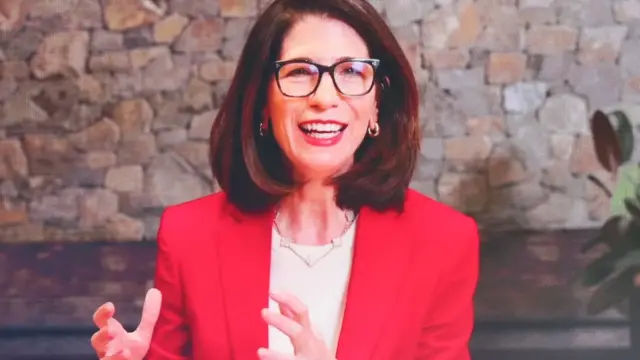
Once the new low-occupancy operating model was proven effective, Hyatt invited executives from Host Hotels & Resorts—the largest lodging real estate investment trust (REIT) in the world and Hyatt’s largest third-party owner—to its corporate offices.
Instead of presenting a sanitized corporate update, Hyatt’s leadership handed over the entire, unvarnished operational playbook. They detailed exactly how they had halved the break-even occupancy threshold, providing Host Hotels with the precise blueprints, staffing models, and cost-reduction strategies needed to protect their own Hyatt-branded assets.
This gesture of open-source collaboration during a time of crisis cemented a deep level of trust between the brand and its largest financial partner. It demonstrated to the ownership community that Hyatt did not view them merely as fee generators, but as true partners in a shared enterprise.
The Long-Term Dividend of Shared Empathy
As the hospitality industry continues to evolve, the lessons learned during the pandemic remain highly relevant. While Hyatt has continued its transition toward a more asset-light model in recent years—selling off billions of dollars in real estate to fund strategic acquisitions like Apple Leisure Group and Standard International—Hoplamazian is determined to preserve the "owner’s mindset" within the company’s culture.
By maintaining this perspective, Hyatt aims to position itself as the preferred partner for hotel developers and institutional investors who are increasingly weary of rigid, top-down brand mandates.
In a market where owners are scrutinizing every dollar spent, a brand that understands the reality of "eating your own cooking" has a distinct competitive advantage. It allows for more flexible negotiations, more practical brand standards, and a shared focus on bottom-line profitability rather than just top-line revenue growth.
Ultimately, Hoplamazian’s remarks at the Skift Global Forum serve as a reminder that in the relationship-driven world of hospitality, empathy and transparency are not just ethical choices—they are smart business strategies. By remembering its roots as a hotel owner, Hyatt has established a template for how global brands can collaborate with property owners to navigate economic uncertainty and build mutual, long-term success.