





Within the global travel and tourism ecosystem, certain multi-billion-dollar sectors command constant public attention. Airlines, mega-resort conglomerates, and major cruise lines frequently dominate headlines, their brand names household staples. Yet, operating quietly in the background of these high-profile industries are highly specialized business-to-business-to-consumer (B2B2C) giants that wield immense economic power.
Perhaps the most striking
example of this phenomenon is OneSpaWorld.
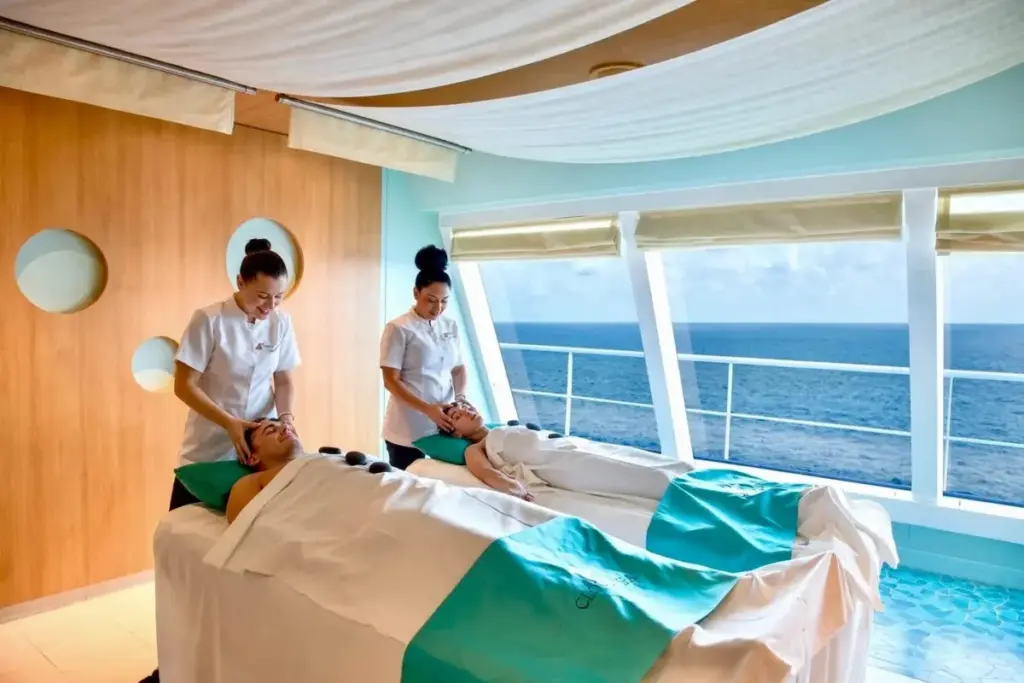
While the average traveler—and even many seasoned travel industry executives—may never have heard its name, OneSpaWorld is on the cusp of becoming a billion-dollar enterprise. By managing the spas, salons, and wellness centers aboard the world’s most prominent cruise fleets, the company has established an near-monopolistic hold on maritime wellness. Its trajectory offers a masterclass in how money, leverage, and operational complexity govern the modern travel economy.
The Scale of an Invisible Maritime Empire
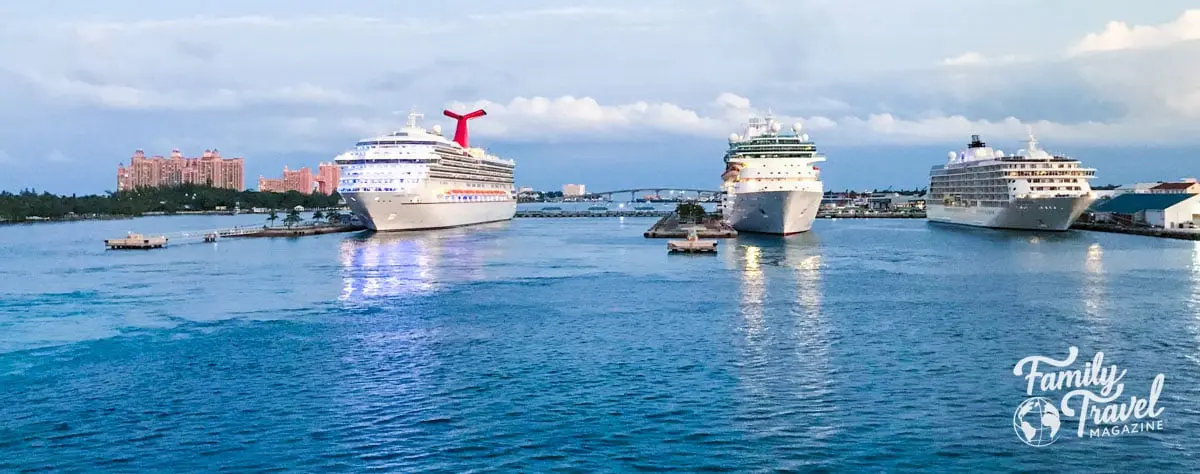
To comprehend the influence of OneSpaWorld, one must look at the sheer physical footprint of its operations. The company manages the wellness and beauty facilities on more than 200 cruise ships worldwide. Its partner roster reads like a directory of the global cruise industry, encompassing major contemporary, premium, and luxury brands, including:
- Carnival Cruise Line
- Royal Caribbean International
- Norwegian Cruise Line
- Princess Cruises
- Celebrity Cruises
- Disney Cruise Line
- Virgin Voyages
Across these fleets, more than 28 million passengers sail annually. For a vast majority of these travelers, any massage, facial, acupuncture session, fitness class, or beauty treatment received at sea is delivered not by the cruise line itself, but by OneSpaWorld’s highly trained international staff.
OneSpaWorld: Market Position at a Glance
┌──────────────────────────────────────┬────────────────────────────────────────┐
│ Metric                               │ Value / Share                          │
├──────────────────────────────────────┼────────────────────────────────────────┤
│ Outsourced Maritime Spa Market Share │ > 90%                                  │
│ Scale Relative to Nearest Competitor │ 17x Larger                             │
│ Annual Passenger Reach               │ 28 Million+                            │
│ Active Vessels Served                │ 200+ Cruise Ships                      │
└──────────────────────────────────────┴────────────────────────────────────────┘
This extensive footprint has allowed OneSpaWorld to capture more than 90% of the outsourced maritime spa market. In an era where antitrust scrutiny and fierce competition define most corporate landscapes, OneSpaWorld exists in a league of its own, operating at a scale more than 17 times larger than its closest competitor. This extraordinary market share makes it one of the most concentrated monopolies in the entire hospitality sector.
The Financial Engine of Shipboard Wellness
The financial rewards of this dominance are substantial. Last year, OneSpaWorld generated $961 million in revenue, while posting an adjusted EBITDA (earnings before interest, taxes, depreciation, and amortization) of $123 million. Backed by a post-pandemic surge in cruise passenger volumes and an unprecedented consumer appetite for wellness experiences, the company projects that its revenue will officially cross the $1 billion threshold this year.
OneSpaWorld Financial Trajectory
  $1.0B ───────────────────────────────────────────────► (Projected Current Year)
  $961M ───────────────────────────────► (Last Year)

  Adjusted EBITDA (Last Year): $123M
This financial performance highlights a broader shift in consumer spending. Modern cruise passengers are no longer content with simple sightseeing and buffet dining; they increasingly view their vacations as opportunities for self-care, rejuvenation, and health optimization.
By capitalising on this shift, OneSpaWorld has turned the shipboard spa from a niche amenity into a core revenue-generating engine. From high-end medi-spa procedures like Botox and dermal fillers to traditional thermal suites and specialized body therapies, the company has successfully expanded its average spend per passenger, driving robust top-line growth.
The Captive Audience and the Economics of the Cruise Ecosystem
To understand how OneSpaWorld extracts such high revenues from its operations, one must analyze the unique economics of the cruise ship environment.
On land, a consumer seeking a spa treatment has endless choices, from local day spas and high-end hotel wellness centers to mobile app-based services. This abundance of options keeps pricing competitive and forces businesses to spend heavily on marketing and customer retention.
At sea, the dynamic changes entirely. Once a ship leaves port, passengers enter a closed, captive economy. For the duration of the voyage, the onboard spa is the only game in town. There are no external competitors, no alternative service providers, and no physical bypasses.
This absolute lack of competition gives OneSpaWorld immense pricing power. It can command premium rates for services that might face stiff price resistance on land. Furthermore, because passengers are already in a leisure mindset and often carrying onboard promotional credits, their willingness to spend on discretionary luxuries is significantly heightened.
However, operating in a captive market is not without its financial trade-offs. While OneSpaWorld enjoys high gross margins on its treatments and retail products, it does not keep all the spoils. Instead, it operates under complex revenue-sharing agreements with its cruise line partners. To secure the exclusive right to operate on these multi-billion-dollar vessels, OneSpaWorld must hand over a significant percentage of its top-line revenue to the cruise lines.
The Balance of Power: Controlling the Customer vs. Controlling the Service
The relationship between OneSpaWorld and the major cruise lines illustrates a fundamental truth of the modern travel economy: controlling the customer matters more than controlling the service.
In this partnership, the cruise lines hold the ultimate leverage because they own the primary customer relationship. They capture the initial booking, manage the loyalty programs, control the onboard payment systems, and physically house the passengers. Because they own the distribution channel and the physical asset (the ship), they are positioned to capture a massive portion of the economic value generated on board.
OneSpaWorld, despite its size and 90% market share, is ultimately a tenant. It must constantly negotiate concession agreements, adapt to the branding requirements of individual cruise lines, and share its revenues. If a major cruise line decided to bring its spa operations in-house, OneSpaWorld’s revenue could face a sudden, sharp contraction.
Yet, cruise lines rarely choose to run their own spas. The reason lies in the sheer operational complexity of the wellness business—a hurdle that OneSpaWorld has spent decades mastering.
The Operational Moat: Why Cruise Lines Outsource Wellness
Managing a spa on land is challenging; managing hundreds of spas across a global, constantly moving fleet of cruise ships is an operational logistical puzzle of the highest order.
The Operational Complexity of Maritime Spas
┌─────────────────────────────┐     ┌─────────────────────────────┐
│     Global Recruitment      │     │      Maritime Medicine      │
│  Staff from dozens of nations │     │  Credentialed practitioners  │
│   trained to cruise standards │     │   licensed for ocean duty   │
└──────────────┬──────────────┘     └──────────────┬──────────────┘
               │                                   │
               └─────────────────┬─────────────────┘
                                 ▼
                    ┌─────────────────────────────┐
                    │  Logistics & Supply Chain   │
                    │ Moving premium products to  │
                    │  dynamic ports worldwide    │
                    └─────────────────────────────┘
For a cruise line, attempting to replicate OneSpaWorld’s infrastructure internally would require an immense diversion of capital and management focus. Several key barriers prevent cruise lines from executing in-house spa operations effectively:
1. Global Recruitment and Training Pipelines
Spa operations are incredibly labor-intensive. To staff more than 200 ships, OneSpaWorld must recruit, train, and deploy thousands of wellness professionals—including massage therapists, estheticians, acupuncturists, fitness instructors, and medi-spa physicians—from dozens of countries. The company operates its own dedicated training academies, ensuring that staff are not only certified in their respective wellness disciplines but also trained in maritime safety, shipboard life, and cruise-specific sales techniques.
2. Complex Licensing and Credentialing
Offering advanced treatments like acupuncture, intravenous therapies, and cosmetic injections at sea requires navigating a labyrinth of international licensing, medical credentials, and maritime law. OneSpaWorld has established the legal and operational frameworks necessary to employ certified medical practitioners on international waters, a capability that would take a cruise line years to build from scratch.
3. Supply Chain and Inventory Logistics
A shipboard spa relies on a steady supply of specialized, high-end skincare and wellness products. OneSpaWorld must coordinate the logistics of moving these goods to various ports of call around the world, ensuring that ships are fully stocked regardless of their itineraries. Because of its scale, OneSpaWorld enjoys massive purchasing power with luxury product brands, securing wholesale margins that individual cruise lines could not match.
By outsourcing these highly specialized, headache-inducing operations to OneSpaWorld, cruise lines can focus on their core competencies—such as marine operations, guest entertainment, and ticket sales—while enjoying a guaranteed, hands-off stream of high-margin concession revenue.
A Strategic Lesson for the Broader Travel Industry
The story of OneSpaWorld’s journey to $1 billion in revenue is more than just a success story of maritime hospitality; it is a vital case study for the broader travel and hospitality industry.
It demonstrates that true market dominance does not always require consumer brand recognition. By positioning itself as an indispensable, highly specialized B2B partner, OneSpaWorld has built a business that is virtually insulated from direct competition. Its 17-fold scale advantage over its nearest competitor creates an incredibly high barrier to entry, ensuring that its market-leading position remains secure for the foreseeable future.
At the same time, the company’s business model highlights the delicate balance of power between service operators and customer distributors. In an era where digital platforms, travel agencies, and mega-brands increasingly control the point of sale, companies that physically deliver services must find ways to make themselves so operationally complex and indispensable that they cannot be easily bypassed or replaced.
As OneSpaWorld sails past the $1 billion revenue mark, it stands as a quiet testament to the profitability of specialization. In the vast, interconnected cruise economy, sometimes the most lucrative path is not owning the ship itself, but mastering the complex, high-margin world of the services delivered on board.