




New Delhi is preparing to host the prestigious BRICS Summit from September 12–13. As global leaders, diplomatic entourages, security teams, and international journalists prepare to converge on the Indian capital, the city’s hospitality sector is experiencing an unprecedented surge in demand.
This massive influx of high-profile visitors has triggered a dramatic spike in hotel tariffs, particularly in and around central Delhi. Premium properties have adjusted their rates to reflect the extreme scarcity of luxury rooms, with some establishments charging more than four times their standard rates for the dates of the summit.
An analysis of hotel inventories and pricing structures reveals that the upcoming event has effectively exhausted the city’s premium room capacity. For business travelers and leisure tourists planning to visit Delhi during the second week of September, finding a five-star room has become both highly competitive and exceptionally expensive.
The Math Behind the Surge: A Comparative Look at Tariffs
The scale of the price hikes becomes clear when comparing room rates during the summit with those of the following weekend. A detailed review of hotel listings on the travel booking platform MakeMyTrip for the summit period (September 11–13) versus the subsequent week (September 18–20) shows rate increases ranging from 124% to 323% across properties in central and premium districts of Delhi.
Hotel Rate Comparison: Summit vs. Post-Summit Weekend
-------------------------------------------------------------------------
Property                 Summit (Sept 11-13)    Post-Summit (Sept 18-20)
-------------------------------------------------------------------------
Hyatt Regency Delhi      INR 83,500 ($884)*     INR 19,500 ($206)*
Rate Increase            ~325% higher
-------------------------------------------------------------------------
*Rates listed are per night, excluding taxes.
With taxes, the Hyatt Regency summit rate reaches approximately $1,080.
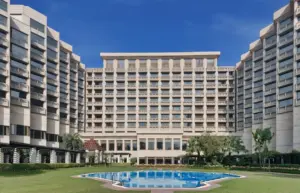
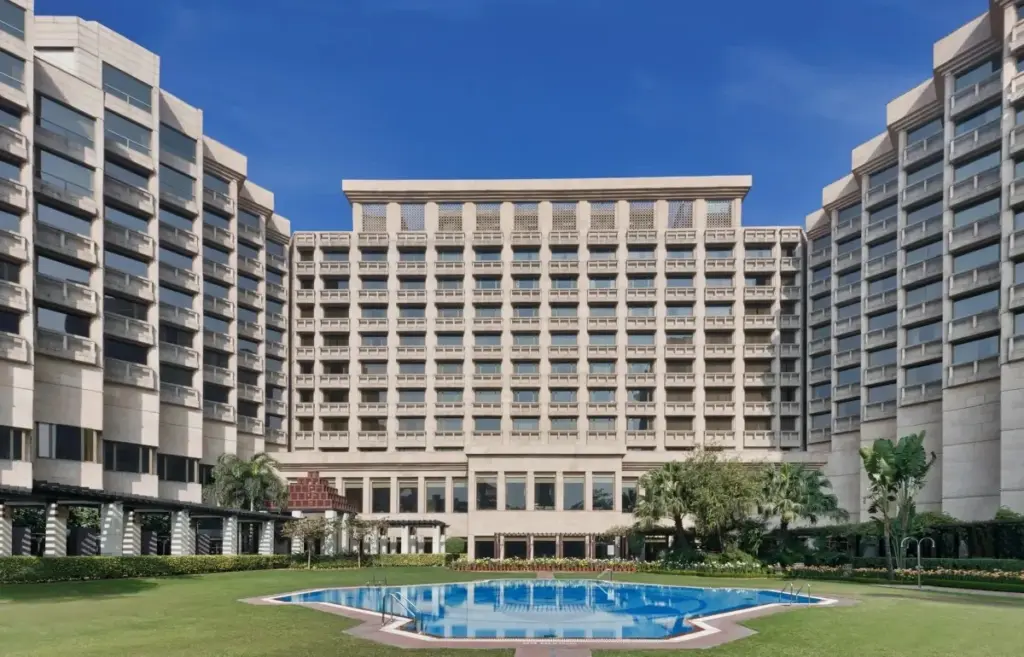
The Hyatt Regency New Delhi, located in the commercial hub of Bhikaji Cama Place, serves as a clear example of this dynamic pricing. During the summit weekend, a standard room at the property is listed at approximately INR 83,500 ($884) per night, excluding taxes. Just one week later, the price for the exact same room drops to INR 19,500 ($206) per night—a tariff difference of roughly 325%. When taxes are added to the summit-weekend rate, guests can expect to pay around $1,080 per night.
This pricing pattern is consistent across the city’s hospitality market. Mid-tier and upper-upscale properties that typically cater to business travelers are also seeing rates double or triple, as overflow demand from the sold-out luxury sector pushes buyers toward alternative accommodations.
Bharat Mandapam and the Geography of High Demand
The geographic distribution of these price hikes is not uniform. The steep tariff increases are concentrated heavily in central New Delhi, the area closest to Bharat Mandapam, the official venue for the BRICS Summit.
Located within the Pragati Maidan complex, Bharat Mandapam is a state-of-the-art convention center designed to host large-scale international gatherings. Because of the venue’s location, diplomatic delegations place a high premium on hotels that offer short transit times and straightforward security routes to the complex.
Key Luxury Hotels Facing Severe Inventory Shortages:
* Taj Palace
* ITC Maurya
* The Oberoi, New Delhi
* The Imperial
* The Leela Palace New Delhi
For international diplomatic missions, proximity is more than a convenience—it is a logistical and security necessity. Motorcades carrying heads of state and high-ranking ministers require secured corridors, which are much easier to manage when the distance between the accommodation and the venue is minimized. Consequently, hotels located in Lutyens’ Delhi and neighboring diplomatic enclaves are seeing the highest demand, driving rates to historic highs.
Sold Out: The Premium Inventory Squeeze
The sudden demand has left central Delhi’s luxury hotel market with virtually no remaining rooms. Many of the city’s most prominent five-star deluxe properties are now completely booked for the summit dates.
Gaurav Sharma, JLL’s Managing Director for Hotels in India, noted that several leading luxury hotels—including the Taj Palace, ITC Maurya, The Oberoi, The Imperial, and The Leela Palace—have effectively sold out for the summit dates.
These properties are well-accustomed to hosting global dignitaries. The ITC Maurya, for example, features highly secure presidential suites that have historically accommodated visiting heads of state. The Taj Palace and The Leela Palace offer similar high-security, ultra-luxury environments.
For an event like the BRICS Summit, entire wings or even whole properties are often reserved months in advance by embassies and government departments. These block bookings cover not only the delegates themselves but also extensive support staff, security details, communication specialists, and bilateral meeting teams.
The Mechanics of Mega-Event Pricing in Hospitality
The sharp rise in room rates during major international events is a standard practice in yield management and dynamic pricing within the hospitality industry. When a city hosts an event of this scale, the sudden imbalance between fixed supply and surging demand allows hotels to maximize their Average Daily Rate (ADR) and Revenue per Available Room (RevPAR).
During a typical business week, Delhi’s luxury hotels rely on a mix of corporate travel, conferences, and leisure tourism. However, during a major diplomatic summit, hotels can deprioritize discounted corporate contracts and wholesale tour group rates in favor of high-paying diplomatic delegations and premium transient travelers.
Furthermore, the booking window for diplomatic summits is unique. Embassies often secure rooms without major budget constraints, prioritizing security, location, and specific amenities over cost. This allows hotels to set premium rates, knowing that the demand from sovereign entities is highly inelastic.
The Ripple Effect on Regional Markets and Corporate Travel
The concentration of diplomatic bookings in central Delhi is also creating a ripple effect across the broader National Capital Region (NCR). Regular business travelers and corporate groups scheduled to visit Delhi during the second week of September are finding themselves priced out of the city center, leading many to look for alternative options.
Delhi NCR Hospitality Spillover Effects:
* Gurugram (Haryana): Influx of corporate travelers seeking standard business rates.
* Aerocity: High demand due to airport proximity and modern luxury inventory.
* Noida (Uttar Pradesh): Increased interest from secondary business delegations.
This displacement is driving up occupancy and room rates in Aerocity, a hospitality district adjacent to Indira Gandhi International Airport, as well as in the corporate hubs of Gurugram and Noida. While these areas are further from Bharat Mandapam, they offer modern luxury inventory at relatively lower rates, making them attractive options for business travelers looking to avoid the high prices and security restrictions of central Delhi.
Delhi’s Growing Status as a Global Convention Hub
The upcoming BRICS Summit and the accompanying surge in hotel demand highlight New Delhi’s growing status as a major destination for international meetings, incentives, conferences, and exhibitions (MICE).
The development of world-class infrastructure, led by the construction of Bharat Mandapam and the Yashobhoomi convention center in Dwarka, has allowed the city to compete for the world’s most prominent diplomatic and corporate events.
While these major summits bring short-term challenges for local travelers and corporate buyers, they provide a significant boost to the local hospitality economy. The high occupancy rates and premium tariffs during the BRICS Summit are expected to drive strong quarterly performance metrics for hotel ownership groups and operators across the National Capital Region, capping off a highly profitable season for the Indian hospitality sector.