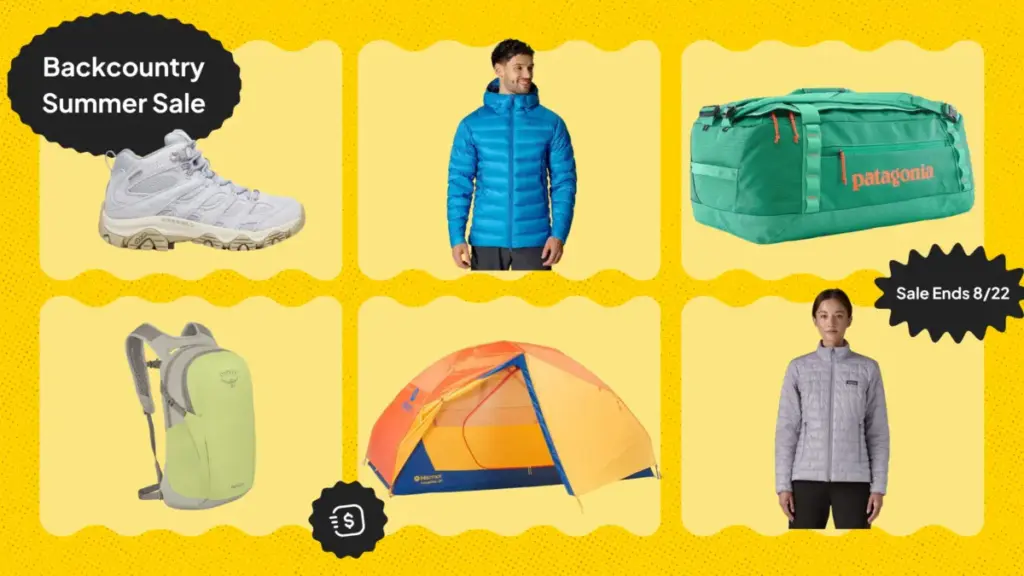
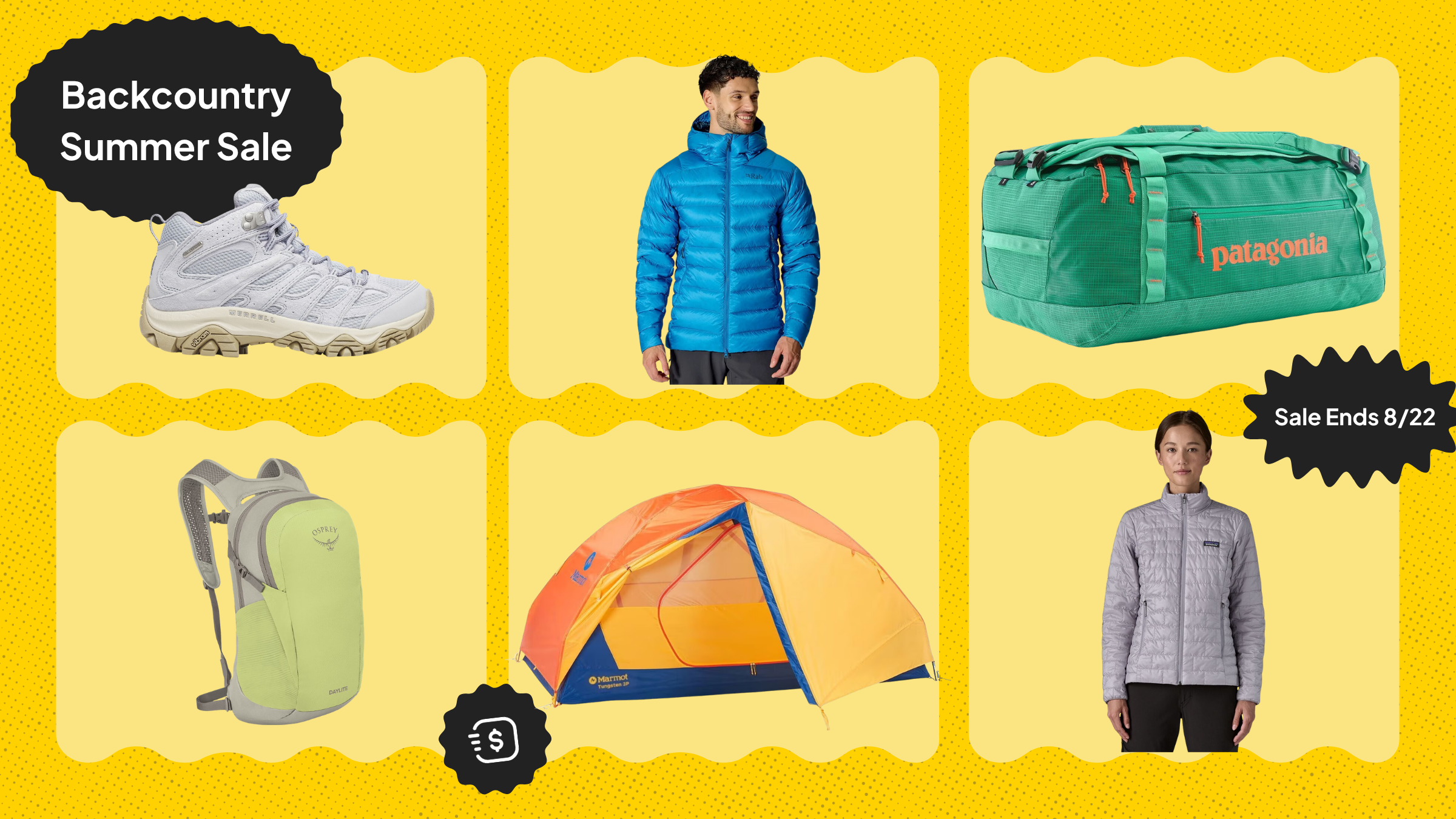
As the dog days of August wind down and the retail landscape becomes saturated with conventional back-to-school promotions, savvy outdoor enthusiasts know a different kind of shopping season is quietly unfolding. While the mainstream market fixates on student backpacks, dorm-room essentials, and urban hydration flasks, the high-end outdoor sector is experiencing a massive mid-summer inventory shift. Leading the charge is the Backcountry Summer Semi-Annual Sale, an aggressive retail event offering staggering markdowns of up to 70 percent across critical categories, including technical outerwear, performance footwear, rugged camping gear, and durable travel accessories.
For outdoor adventurers, hikers, and weekend warriors, this sale represents a rare window of opportunity. Rather than waiting for Black Friday or enduring the sparse pickings of late-season clearance racks, shoppers can secure top-tier, expedition-proven gear at a fraction of its original cost. This comprehensive buyer’s guide explores the standout deals from Backcountry’s massive mid-summer inventory purge. We analyze the economics of off-season gear acquisition, break down the finest selections across four core categories—outerwear, footwear, camping, and travel—and provide strategic insights on how to maximize your savings before the best items disappear from virtual shelves.
Detailed Chronology: The Evolution of Mid-Summer Outdoor Retail
To understand why August has become a prime month for securing deep discounts on high-performance gear, one must examine the operational rhythm of the outdoor retail industry. The timing of Backcountry’s Summer Semi-Annual Sale is not arbitrary; it is the calculated result of inventory forecasting, seasonal shifts, and supply chain logistics.
The Spring-to-Fall Retail Transition
In the outdoor gear market, product lifecycles move rapidly. Retailers typically receive their heavy winter and technical outerwear lines as early as September and October. By late winter and early spring, spring-summer apparel and lightweight camping gear take center stage. However, by the time August arrives, the retail calendar sits at an awkward crossroads: peak summer recreation is beginning to wind down in many regions, while manufacturers are already shipping autumn lines to distribution centers.
To clear warehouse space for incoming cold-weather inventory, massive retailers like Backcountry initiate semi-annual liquidations. Historically, these August sales were quiet affairs, limited to a few clearance racks in brick-and-mortar storefronts. With the maturation of e-commerce, however, these events have transformed into high-traffic digital tent sales. The launch of the current sale on August 7, 2026, marks the industry-standard inflection point where warehouses aggressively shed summer-heavy stock to make room for autumn layering pieces, sleeping systems, and winter hardgoods.
The Shift Toward "Shoulder Season" Preparedness
Consumer behavior during these mid-summer sales has also evolved. A decade ago, shoppers bought strictly for the season at hand—buying a tent in June to use in July. Today, consumer psychology leans heavily toward anticipatory buying, or what gear specialists refer to as "shoulder-season" preparation.
Shoppers are increasingly using August markdowns to acquire insulated jackets, waterproof shells, and durable hiking boots well in advance of the first autumn frosts. By purchasing gear during the August semi-annual window, consumers effectively bypass the price inflation often seen in October and November when demand for cold-weather gear spikes nationwide.
Supporting Context & Metrics: The Economics of Off-Season Gear Acquisition
The numbers behind Backcountry’s latest retail event speak volumes about the current state of consumer spending and retail inventory management. With discounts scaling up to 70 percent on select items and hovering around 30 to 50 percent across major equipment categories, shoppers are witnessing some of the most competitive pricing structures seen in the outdoor market in recent years.
Understanding the Discount Tiers
Outerwear & Jackets (Up to 80% Off): Winter jackets and insulated mid-layers traditionally command the highest margins in outdoor retail due to the complex engineering, down sourcing, and weather-proofing membranes involved. The current 80 percent markdowns on select men’s and women’s jackets represent true clearance-level pricing, clearing out remaining inventory from previous production runs.
Footwear (Up to 50% Off): Technical hiking boots, trail-running shoes, and approach shoes see moderate-to-deep discounts as manufacturers update colorways and tread patterns for the upcoming year.
Camping & Backpacking Gear (Up to 30% Off): Tents, sleeping pads, camp stoves, and cookware experience slightly lower maximum discounts (around 30 percent) because durable goods hold their market value longer than seasonal apparel. However, even a 30 percent discount on premium shelter systems translates to savings of $100 to $300 per setup.
Travel Gear (Up to 50% Off): Luggage, duffels, and packing cubes are heavily discounted to capture the late-summer and early-fall travel market, offsetting the rising costs of post-pandemic flights and accommodations.
The Rise of "Leafmaxxing" and Fall Recreation Trends
Outdoor industry analysts have noted a significant surge in shoulder-season recreation—specifically autumn camping, leaf-peeping expeditions, and extended-season backpacking. Consumers are no longer packing away their gear on Labor Day; instead, they are extending their outdoor calendars well into November. This cultural shift has transformed what was once considered "dead stock" (summer camping gear) into highly sought-after equipment for crisp autumn nights. Consequently, retailers can offer competitive price cuts while still meeting robust consumer demand.
Category Breakdowns: The Standouts of the Sale
To help you navigate the thousands of items currently marked down on Backcountry’s platform, we have synthesized the best offerings across the four primary departments.
1. Outerwear and Jackets: Future-Proofing Your Wardrobe
It requires a psychological leap to think about sub-freezing temperatures while enduring a humid August afternoon, but your future self will thank you. Investing in high-performance insulation now shields you from the sticker shock of peak winter buying.
Men’s Technical Shells and Insulated Jackets: Up to 80 percent off select inventory. Look for waterproof-breathable membranes (like Gore-Tex and proprietary alternatives) paired with ethical down or synthetic insulation. These pieces are built to withstand driving alpine sleet and biting winds.
Women’s Down and Synthetic Mid-Layers: Heavily discounted past-season colors and styles offer the exact same warmth-to-weight ratios as newly released garments. Whether you need a packable puffy for chilly summit rests or a heavy parka for urban commutes, the current selection covers every thermal requirement.
2. Footwear: Navigating the Transition to Fall Trails
The shift from summer trails to autumn terrain demands footwear that can handle wet roots, muddy paths, and dropping temperatures.
Trail Runners vs. Hiking Boots: With up to 50 percent off men’s and women’s footwear, shoppers can find lightweight, breathable trail shoes for fast-packing, alongside sturdy, ankle-supporting leather boots for heavy load carriage.
Grip and Waterproofing: Look for discounted models featuring Vibram outsoles and waterproof membranes (such as GORE-TEX Extended Comfort) to keep your feet dry during damp autumn hikes.
3. Camping Gear: Preparing for Crisp Nights Under the Stars
Fall camping offers distinct advantages over peak summer trips: fewer bugs, quieter campgrounds, and stunning foliage. However, it also requires a higher caliber of gear, particularly when it comes to thermal retention.
Tents and Shelters: With up to 30 percent off camping gear, you can score three-season and four-season tents engineered to withstand high winds and steady rain. Pay attention to denier ratings on rainflies and floor fabrics for long-term durability.
Sleep Systems: Insulated sleeping pads with high R-values (essential for blocking ground cold during chilly autumn nights) and down sleeping bags rated for lower comfort limits are seeing rare price drops.
4. Travel Gear: Upgrading Your Journey for Less
Whether you are planning a shoulder-season international trip or a weekend road trip to view the changing leaves, reliable travel gear is essential.
Duffels and Rolling Luggage: Marked down by up to 50 percent, heavy-duty tarpaulin duffels and hard-shell suitcases provide the rugged durability needed to survive baggage handlers and gravel parking lots alike.
Organizational Accessories: Compression sacks, packing cubes, and Dopp kits are also seeing widespread price cuts, making it easier to streamline your packing system without breaking the bank.
Official Statements and Industry Insights
Retail economists and gear specialists emphasize that while sales events like the Backcountry Summer Semi-Annual Sale are routine, the depth of the current discounts reflects broader economic adjustments within the consumer goods sector.
"We are seeing a normalization of inventory levels across the outdoor recreation space," notes retail analyst Sarah Jenkins. "After years of supply chain volatility and unpredictable consumer demand, brands and major online retailers are returning to aggressive seasonal clearance models. For consumers who do their research, this creates an unprecedented window to buy professional-grade gear at entry-level prices."
Furthermore, outdoor advocacy groups and environmental educators point out that purchasing high-durability gear on clearance supports sustainable consumer habits. By investing in long-lasting, repairable equipment at a discounted rate, buyers are less likely to rely on cheap, disposable gear that ultimately ends up in landfills.
Future Outlook: What to Expect Next in Outdoor Retail
As we look toward the remainder of 2026, the retail landscape for outdoor gear is expected to undergo several notable shifts:
Consolidation of E-Commerce Sales: Major multi-brand retailers will continue to rely on flash-sale events and semi-annual clearances to capture consumer attention in an increasingly crowded digital marketplace.
Focus on Sustainable Materials: Even on clearance racks, consumer preference is heavily weighted toward eco-conscious manufacturing, recycled fabrics, and PFC-free water-repellent treatments. Brands that prioritize these elements are retaining their value better, even during markdown periods.
Extended Outdoor Seasons: As climate patterns shift and autumn weather remains mild well into November, retailers will likely adjust their inventory calendars, keeping camping and hiking gear on sale longer while introducing winter lines earlier.
Strategic Shopping Tips
If you plan to take advantage of Backcountry’s current promotions, keep these final strategies in mind:
Filter by Size Immediately: Inventory on steep clearance items (especially at 70% to 80% off) tends to disappear quickly in common sizes (Medium/Large for apparel, 9-11 for men’s footwear, 7-9 for women’s). Filter your search by size first to avoid disappointment.
Check Return Policies: While most sale items are fully returnable, final-sale clearance items may not be. Always verify the retailer’s terms before completing your purchase.
Prioritize Versatility: Look for multi-use gear—such as an insulated jacket that doubles as a ski mid-layer and a daily commuter piece—to maximize the utility of your investment.
By acting strategically during this inventory transition window, outdoor enthusiasts can build a robust, high-performance gear arsenal that will serve them reliably across all four seasons.