



For years, the travel industry has recognized a fundamental shift in how consumers discover, plan, and book their trips. A single vertical video on Instagram or TikTok can trigger an immediate wave of wanderlust, sending thousands of prospective travelers searching for a specific boutique hotel, a hidden coastal town, or an airline’s newly launched business-class cabin.
Yet, despite the undeniable power of creator-led demand, the journey from initial social media inspiration to the final booking confirmation remains one of the most fragmented pipelines in modern digital commerce. No single player in the ecosystem has a clear, uninterrupted view of the entire funnel.
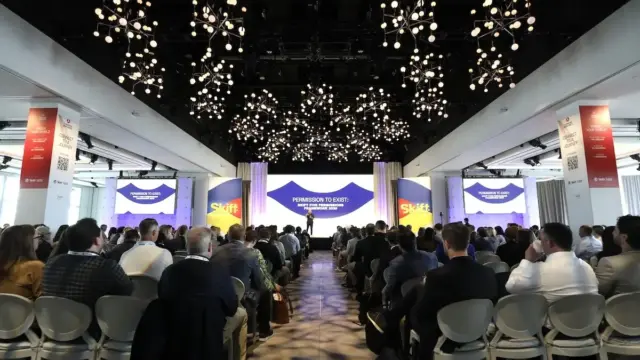
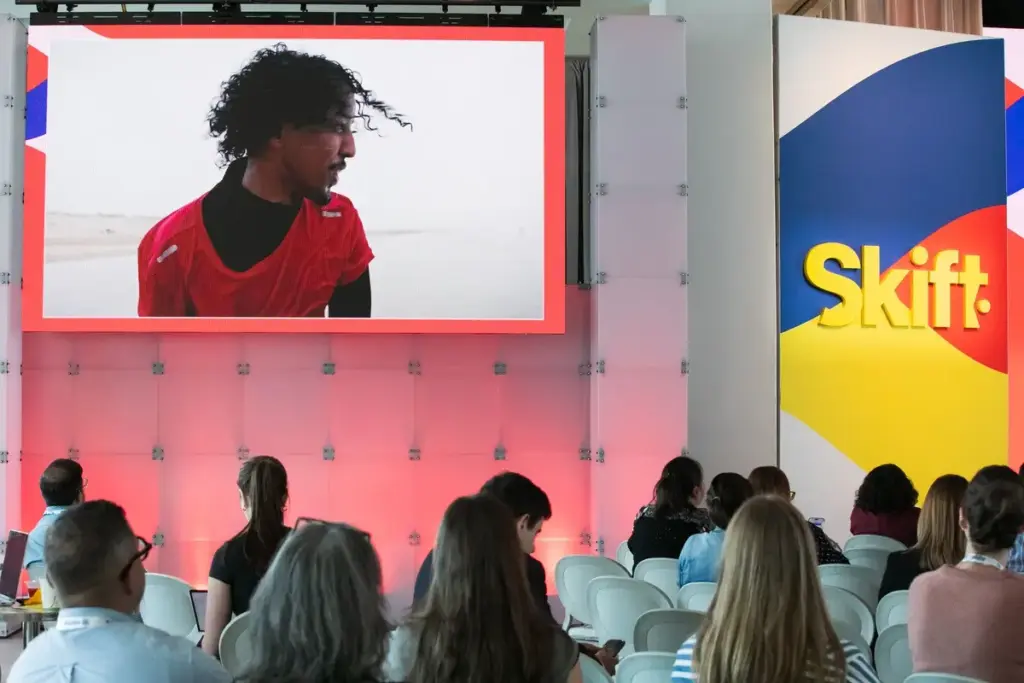
To address this disconnect, the upcoming Skift Creator Summit, presented by Meta, is scheduled for September 22. This closed-door working session is designed specifically to bring the disparate stakeholders of this marketing pipeline into a single room. The goal is simple yet highly ambitious: to assemble the operators who own individual segments of the creator-led path and establish a more cohesive, trackable, and profitable framework for the travel industry.
The Five Silos of Creator-Led Travel Marketing
To understand why creator marketing in the travel sector is so challenging to measure, one must examine the highly fragmented nature of the modern digital path to purchase. Currently, the journey from viewing a piece of content to checking into a hotel is divided among five distinct entities, each operating with its own metrics, incentives, and limitations.
1. The Brand and the Marketing Spend
At the start of the chain is the travel brand—whether it is an online travel agency (OTA), a global hotel portfolio, a cruise line, or a commercial airline. The brand allocates the budget and defines the ultimate business objectives, such as room nights booked, tickets sold, or loyalty program sign-ups. However, once the brand deploys its capital to a creator or agency, it often loses granular visibility. The brand sees the outgoing spend and the eventual incoming revenue, but connecting the two with absolute certainty remains an ongoing struggle.
2. The Social Platform and the Click
The social platform—such as Meta’s Instagram or Facebook—is where the magic of discovery happens. The platform’s algorithms serve the content to highly targeted, engaged audiences. The platform tracks impressions, video completion rates, shares, saves, and outbound clicks. While these engagement metrics are vital for understanding consumer interest, the platform’s visibility typically diminishes the moment a user leaves the app to browse a travel provider’s external website.
3. The Affiliate Rail and the Payout
If a creator uses a tracking link or a curated travel storefront, the transaction passes through an affiliate network. The affiliate rail is built to track the specific click that leads to a conversion and calculate the subsequent payout for the creator. While highly functional for transactional attribution, affiliate tracking is notorious for failing during multi-device journeys—such as when a user discovers a hotel on a mobile device but ultimately books it days later on a desktop computer.
4. The Creator and the Audience
Creators hold the most valuable asset in the entire chain: direct trust and relationship with the audience. They understand what content resonates, what questions their followers ask in the comments, and what specific travel experiences drive engagement. However, creators are rarely equipped with backend integration. They cannot see real-time room availability, flight pricing, or the long-term lifetime value of the customers they refer to a brand.
5. The Booking Engine and the Final Reservation
At the end of the path sits the property management system, airline reservation database, or OTA checkout page. The booking engine records the reservation, processes the payment, and registers the guest. Yet, in many legacy systems, a customer who was inspired by a creator’s video but booked three weeks later is categorized simply as "direct traffic" or "organic search," completely erasing the creator’s contribution from the brand’s return-on-investment (ROI) calculations.
Because of these distinct silos, the travel industry regularly witnesses a frustrating paradox: a campaign can be a massive success on paper for the creator and the social platform, yet the brand’s finance team may struggle to justify the expenditure due to gaps in direct attribution.
Shifting from Inspiration to Transaction
The evolution of travel discovery has forced brands to reconsider how they view social media. Historically, platforms like Instagram were treated strictly as upper-funnel "awareness" channels—digital billboards designed to keep a destination top-of-mind.
Today, however, the line between inspiration and transaction has blurred. Younger demographics increasingly bypass traditional search engines entirely, using social media platforms to search for itineraries, restaurant recommendations, and hotel reviews.
This shift has transformed creators from mere lifestyle influencers into critical distribution partners. A creator’s recommendation acts as a personalized, peer-to-peer endorsement that carries far more weight than traditional corporate advertising. Consequently, travel brands are under immense pressure to treat creator partnerships not as experimental creative spend, but as a core performance-marketing channel.
To treat creator marketing as a performance channel, however, requires a level of operational rigor that the industry is still developing. It requires standardizing data sharing between platforms, brands, and creators, and developing more sophisticated multi-touch attribution models that recognize the long, non-linear path of travel planning.
Inside the Skift Creator Summit: A Forum for Operators
Recognizing that high-level panel discussions rarely solve complex operational challenges, the Skift Creator Summit on September 22 has been structured as a participatory, closed-door working session.
The summit is explicitly built for professionals who "own an outcome rather than an opinion." By limiting the event to a closed-door format, organizers aim to foster candid, practical discussions about budget allocation, attribution technology, and platform partnerships. Rather than focusing on theoretical marketing trends, the sessions are designed to hand the floor to the hands-on operators who manage these campaigns daily.
The participatory format ensures that every attendee is an active contributor to the conversation. Rather than sitting passively in an audience, participants are expected to share their own challenges, successes, and operational strategies. This peer-to-peer exchange is designed to help brands compare notes with other operators who manage adjacent segments of the marketing funnel.
Who Is in the Room? Tight Constraints on Attendance
To maintain the high strategic value of the working sessions, attendance at the summit is subject to a strict application and review process. Invites and seats are reserved exclusively for individuals with direct budget authority and operational oversight.
Target attendees for the summit include:
- In-house Brand Teams: Digital marketing directors, heads of social media, and influencer relations managers from major OTAs, global hotel brands, cruise lines, and commercial airlines.
- Performance Marketing Agencies: Media buyers and strategists who plan, purchase, and optimize social media spend on behalf of enterprise travel clients.
- Platform Partners and Technologists: Specialists who build the ad units, tracking pixels, and creator marketplaces that facilitate these transactions.
By restricting the guest list to those who directly control marketing budgets and campaign execution, the summit aims to bypass the generalized sales pitches that often clutter industry events. The goal is to gather a group of peers who can speak realistically about what is working, what is failing, and where the industry needs to collaborate to build better measurement standards.
The Role of Data and Collaborative Research
A key component of the September 22 agenda is the integration of proprietary data and research. The summit will feature dedicated presentations from Skift Research, providing participants with empirical benchmarks on current travel marketing spend, consumer booking behaviors, and platform performance.
These research insights will serve as the foundation for executive roundtables throughout the half-day event. The roundtables will allow operators to dive deep into specific operational challenges, such as:
- Standardizing creator contracts to include performance-based incentives.
- Integrating social commerce tools directly into hotel and airline booking flows.
- Navigating privacy regulations and cookie deprecation while maintaining accurate campaign tracking.
- Structuring internal marketing teams to break down the barriers between organic social content and paid media acquisition.
Meta’s Strategic Stake in the Creator Economy
As the presenting sponsor of the summit, Meta’s involvement underscores the platform’s strategic interest in solving the travel industry’s attribution puzzle. For platforms like Meta, proving the direct financial impact of creator content is essential to capturing a larger share of travel brands’ performance marketing budgets.
In recent years, social platforms have invested heavily in tools designed to bridge the gap between inspiration and conversion. Features such as collaborative ads—which allow brands to run co-branded campaigns alongside creators or retail partners—and advanced creator marketplaces are steps toward a more integrated ecosystem.
However, technology alone cannot solve the organizational and structural silos that exist within travel brands. By supporting a dedicated, operator-focused summit, Meta and Skift aim to accelerate the operational alignment necessary to turn creator-led demand into a seamless, fully measurable transaction engine.
Looking Ahead: The Future of Travel Distribution
As customer acquisition costs (CAC) continue to rise across traditional search and paid media channels, travel brands must find more efficient ways to capture consumer attention and loyalty. The creator economy offers a compelling alternative: a high-trust, highly engaging channel that speaks directly to modern consumer preferences.
However, the long-term viability of creator-led travel marketing depends on the industry’s ability to move past vanity metrics like "likes" and "views." The brands that successfully integrate their booking systems with creator channels—and the platforms that provide the clearest path of attribution—will be the ones that capture the next generation of travelers.
The Skift Creator Summit on September 22 represents a crucial step in this evolution. By bringing the operators who own each piece of the path into a single room, the event seeks to lay the groundwork for a more transparent, integrated, and effective future for travel marketing.